
Residential Water Extraction for Short Pump Homes
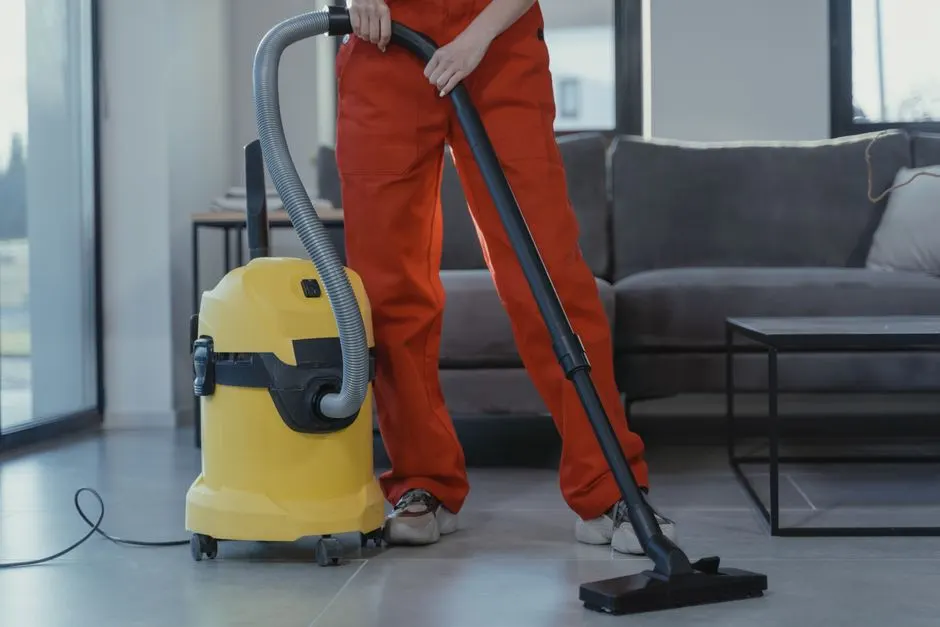
Short Pump homes range from newer subdivisions to established neighborhoods, and the water-loss response needs to fit the materials and layout. A washing-machine hose can wet a laundry room and spread under flooring; a roof leak can saturate a ceiling; heavy rain can bring water into a basement. We handle water removal services in Short Pump, Virginia by locating the wet footprint, removing standing water, and checking materials that are not visible from the surface. We understand that a household needs clear access to kitchens, bedrooms, and exits while equipment runs. Our crew explains where equipment will sit, what readings will be monitored, and what you can safely move. If water is near electrical equipment or a ceiling is sagging, keep clear and call before entering the affected area.
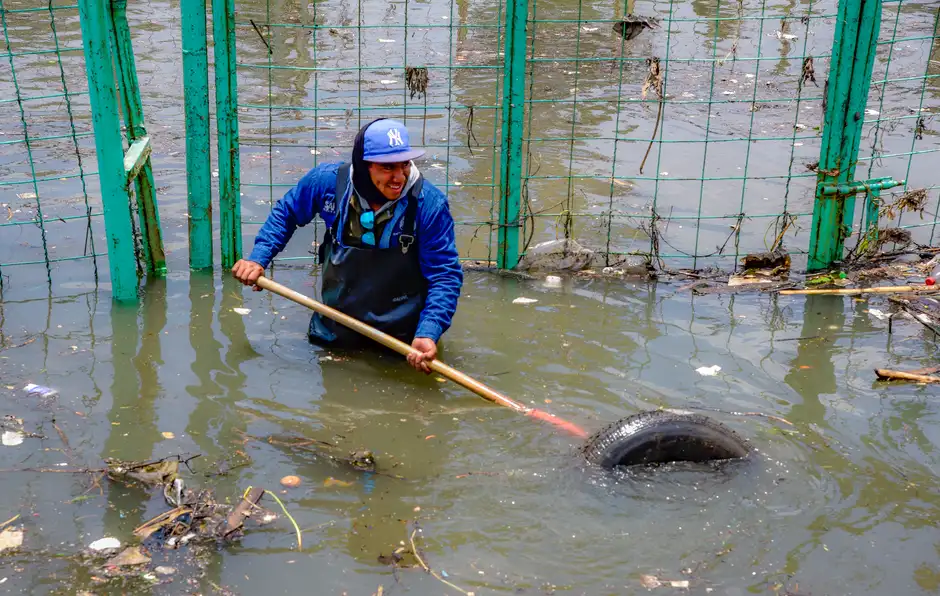
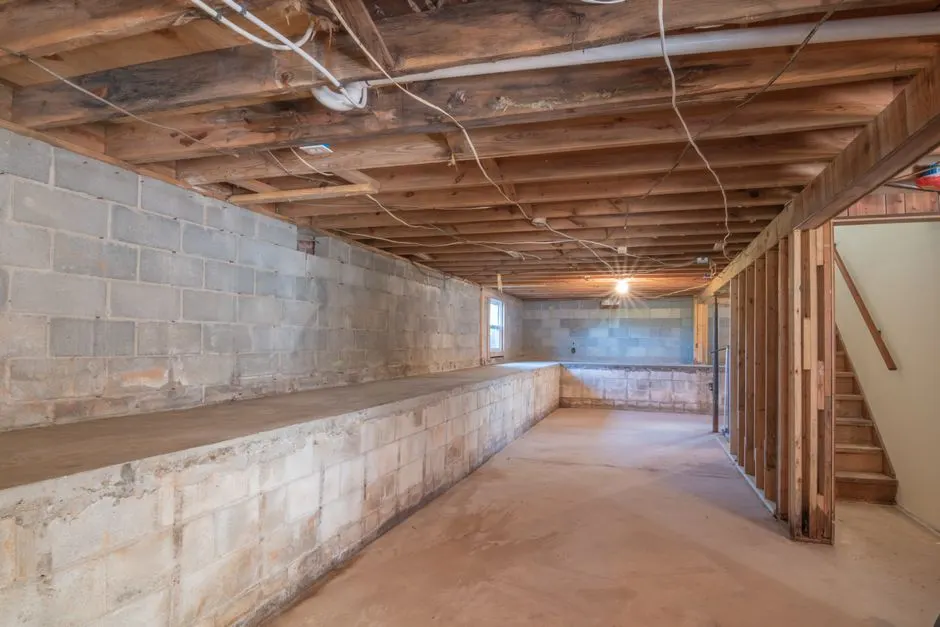
- Basement water extraction — When a Short Pump basement takes on water, we remove accessible standing water and inspect the lower walls, floor edges, and stored contents. We identify whether the source appears to be plumbing or rain intrusion, then plan drying around finished materials. Keep away from electrical hazards and tell us if a sump or floor drain is present.
- Kitchen and laundry leak cleanup — Leaks under a dishwasher, refrigerator, or washing machine often reach cabinet edges and flooring seams. We extract water, check the appliance footprint, and look for migration into the next room. In Short Pump homes, this focused inspection helps distinguish a surface spill from moisture that has traveled under the floor.
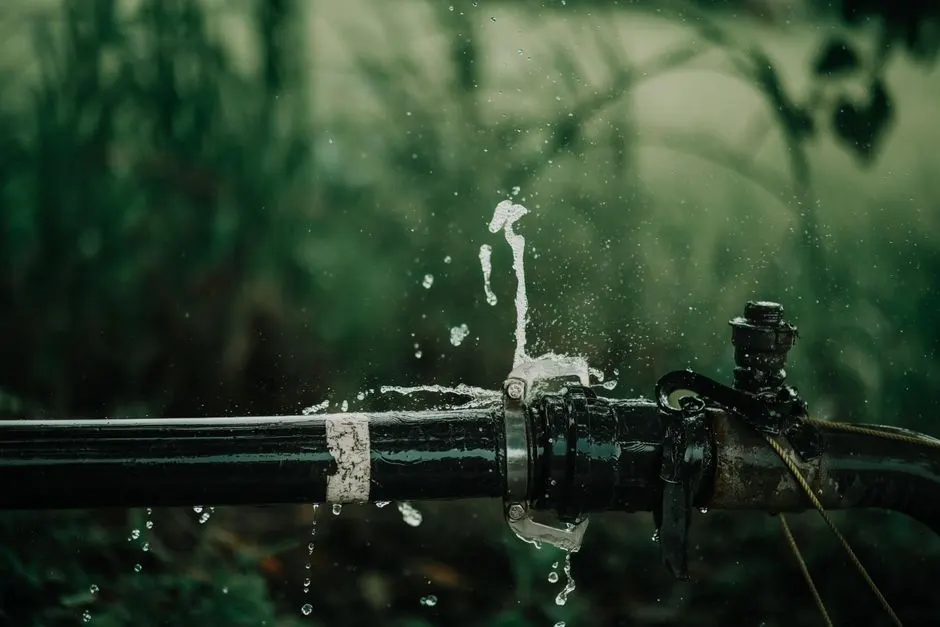
- Burst pipe response — A burst pipe can release water rapidly and affect more than the room where the line failed. We help you focus on safe source shutoff, remove water, and inspect connected areas for moisture. Our Short Pump response prioritizes active flow, wet wall bases, and flooring at risk of continued saturation.
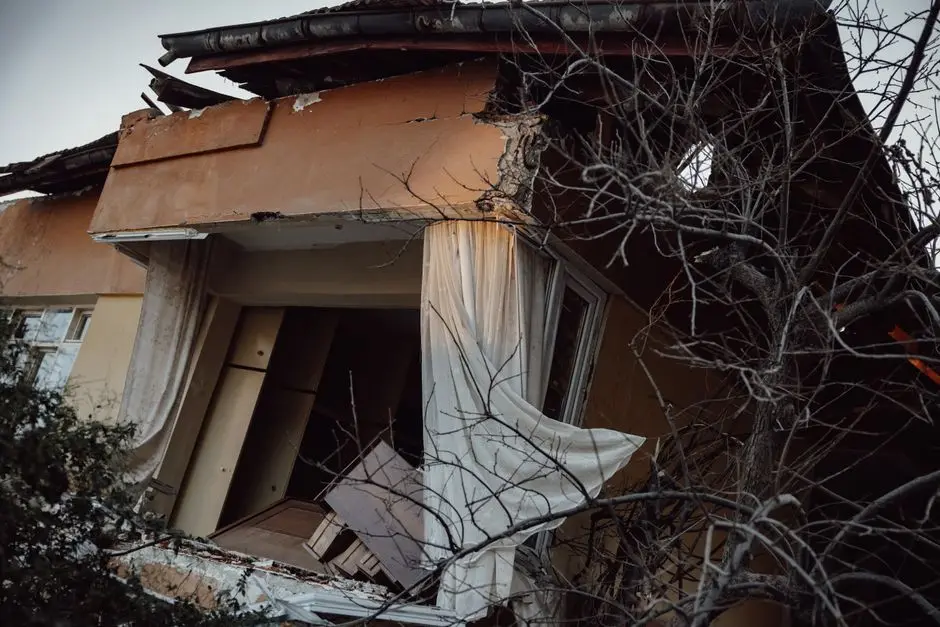
- Ceiling and roof leak cleanup — If a Short Pump ceiling shows a spreading stain or begins to sag, stay clear and call us. We assess the interior water impact, capture drips where safe, and check nearby ceiling and wall materials. We explain what needs drying and which roof issue must be addressed to prevent new water from entering.