

Residential Water Extraction in Arlington Homes
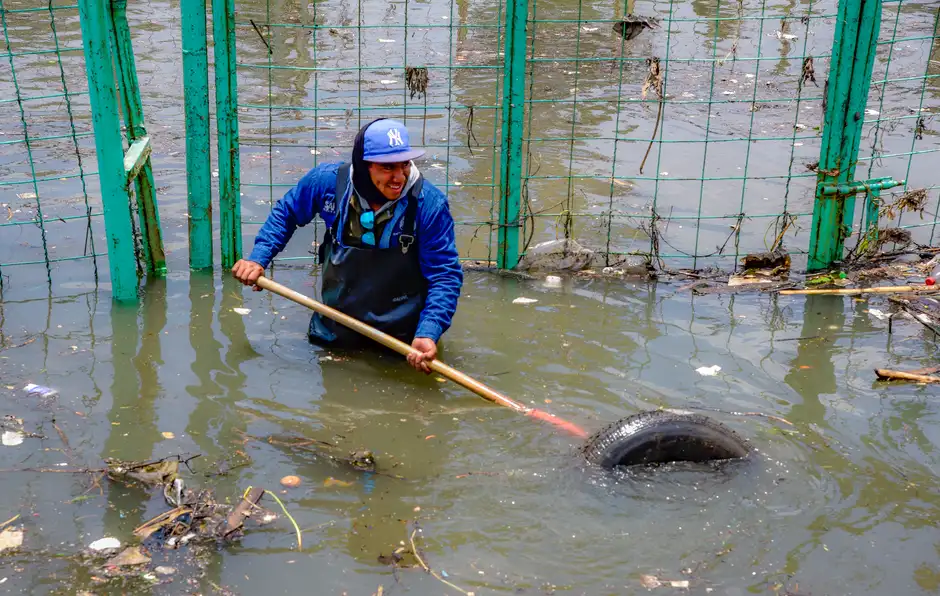
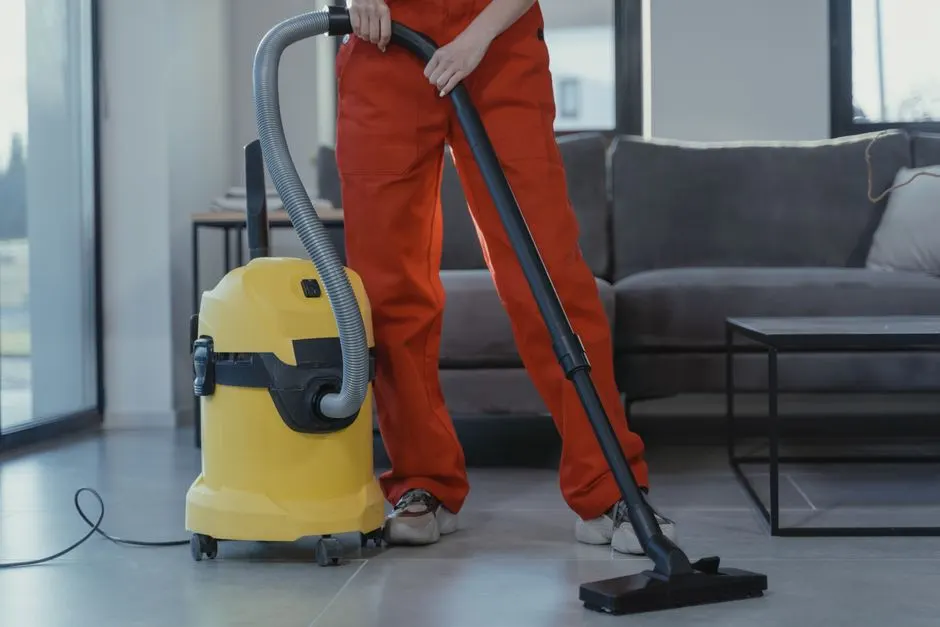
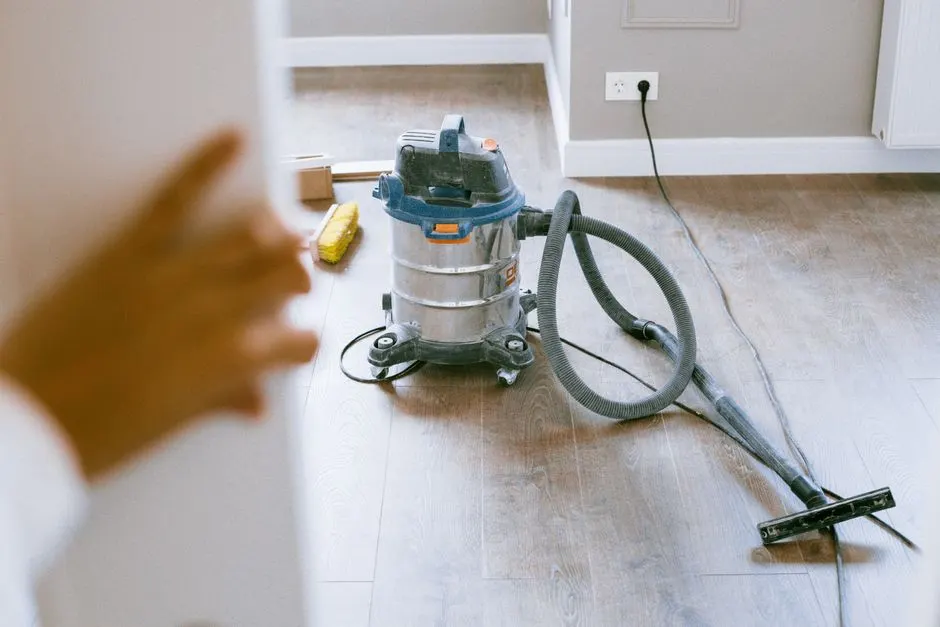
Arlington homes range from older single-family houses and crawl-space properties to high-rise condominiums with shared plumbing and neighboring units. A leak in a kitchen can soak cabinet bases; a pipe failure above can wet a ceiling and the floor below. Our water damage cleanup company Arlington Virginia checks where water entered, how far it traveled, and which materials remain damp. We coordinate around family routines and building rules, keep unaffected areas accessible where possible, and explain the extraction and drying steps. If a basement or crawl space is involved, we check lower wall edges and stored contents rather than stopping at the visible floor. You receive practical updates based on the readings and conditions at your property.
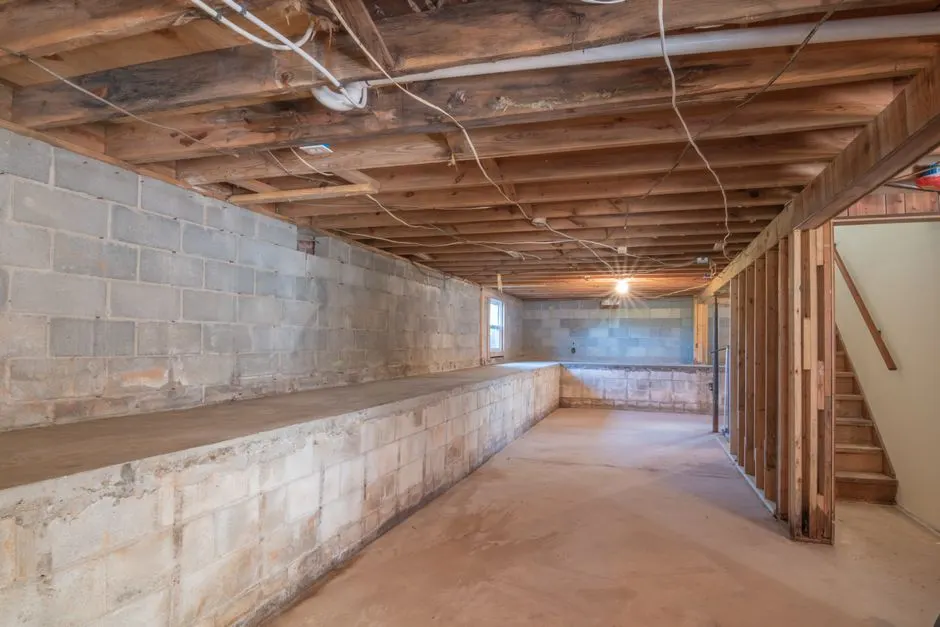
- Basement water extraction — We remove standing water from Arlington basements and inspect the lower wall edges, floor, and accessible stored items. Heavy rainfall can stress basement drainage, so we identify whether water is still entering before setting drying equipment. If the water is contaminated, we isolate the work area and use a different cleanup process.
- Apartment leak response — In Arlington apartment and condominium buildings, a leak can affect the unit below or a shared wall. We coordinate entry with you or building management, extract pooled water, and check connected surfaces. Clear unit numbers, elevator access, and service entrance directions help us bring equipment to the right place.
- Kitchen and laundry leaks — Dishwasher, refrigerator, and washing-machine leaks often travel under cabinets or flooring before becoming visible. We extract water in your Arlington home, check adjoining surfaces, and assess carpet padding or cabinet edges where moisture may remain. Readings help determine whether further drying is required.
- Pipe and ceiling water damage — A burst pipe or roof leak can wet drywall, insulation, ceilings, and the floor below. We inspect the visible stain and nearby areas, remove accessible water, and identify whether materials need additional drying. If a ceiling is sagging, keep clear while the source is controlled and the area is assessed.