
Logo
Get Estimate

Emergency Water Extraction in Virginia, Day or Night

We pump standing water and protect your home quickly


Emergency Water Extraction in Virginia helps homeowners and property managers limit damage after burst pipes, basement flooding, appliance leaks, roof leaks, or stormwater intrusion. Our crew removes standing water, checks affected materials, and sets drying equipment so you can move from an active emergency toward a documented recovery. Call us for Virginia emergency Water Extraction when water is spreading through floors, carpet, walls, or a crawl space.

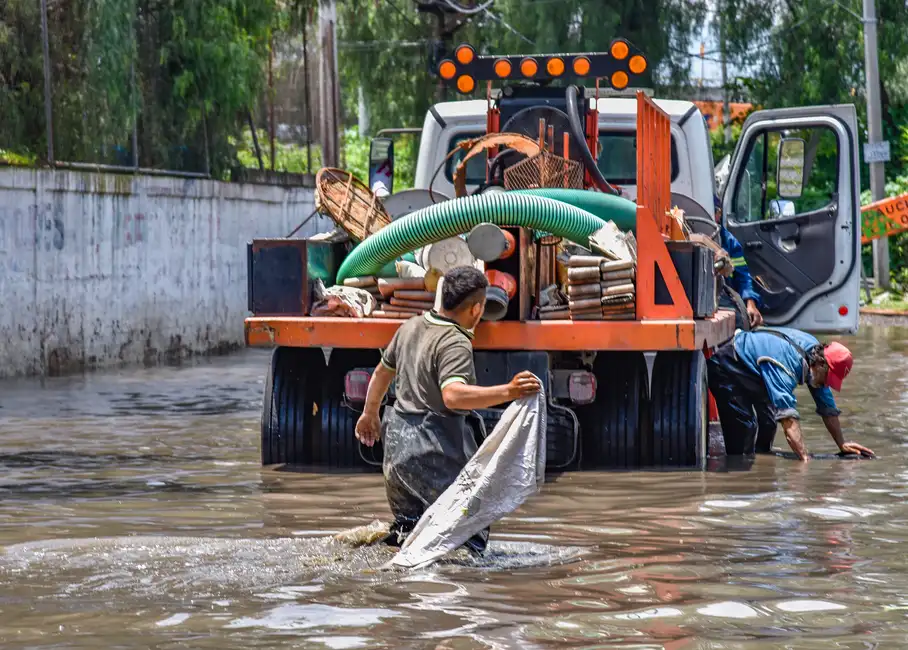
Workers wading through floodwaters near a truck, managing a city crisis after heavy rain.
Licensed Licensed & Bonded
Fully Insured Insured & Bonded
24/7 Emergency Same-Day Response
Warranty Backed Workmanship Guaranteed

What Emergency Extraction Includes

Emergency Water Extraction covers the immediate response to standing water: identifying the source, assessing affected areas, removing accessible water, and starting appropriate structural drying. We explain conditions that require additional repair, material removal, or specialized contaminated-water cleanup. The first priority is stabilizing the wet area and reducing ongoing exposure; the next steps follow the water category and what moisture readings show.

Water Source Assessment

We identify whether water is still entering and distinguish a plumbing leak from stormwater, appliance overflow, or sewer backup. That first check determines what safety measures and extraction approach make sense for your home or business.
Standing Water Extraction

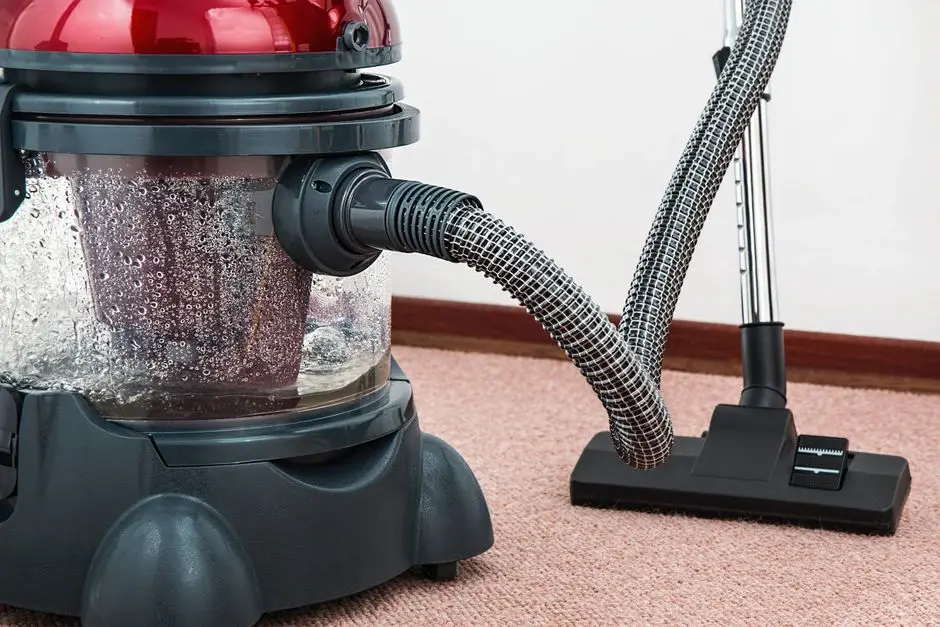
We remove accessible pooled water with a pump, truck-mounted extraction unit, or portable wet vacuum according to depth and access. The goal is to clear floors and reachable low areas before residual moisture is addressed.

Moisture Mapping

We check affected and adjoining materials with a moisture meter and note readings that guide drying. This helps locate wet carpet padding, drywall, and other materials that may look dry on the surface.

Initial Drying Setup

We place air movers and dehumidification equipment to move moisture from the affected area under controlled conditions. Equipment needs depend on room size, material, water volume, and current humidity; follow-up readings guide adjustments.

Contamination Controls

When water may contain sewage or outdoor contaminants, we isolate the work area and use protective equipment. Cleaning products are applied according to their labels, and porous materials are assessed for safe handling and drying.

Emergency Water Extraction in Virginia Explained


Emergency Water Extraction in Virginia is a rapid water-damage response service that removes standing water and begins controlled drying after a leak, flood, or plumbing failure. We locate the affected areas, identify water categories, extract water with pumps or vacuums, and measure moisture in floors and walls. The work is more than getting water off the surface: carpet padding, drywall, insulation, and wall cavities can hold moisture after a room looks dry. Our technicians map the affected area and use readings to guide the next steps.

Virginia homes face different water problems through the year: freezing nights can split a pipe, spring rain can push water into basements, and coastal storm conditions can drive water past doors or roof openings. For 24/7 Emergency Water Extraction in Virginia for flooded homes, we prioritize safe access, source control, and prompt removal. A sewer backup or contaminated floodwater needs controlled handling, while a clean supply-line leak calls for a different extraction and drying plan. We explain the difference before equipment is placed.

What Happens During Service

Emergency Water Extraction in Virginia follows a practical sequence built around safety, water removal, and verifiable drying. We explain what we find as the work proceeds, and you see where equipment is placed and why.

01

Schedule

Call or book online — a real human picks up and confirms a 2-hour arrival window.

02

Diagnose

Licensed tech inspects on-site, then walks you through the cause and your options.

03

Fix

The job is completed to code and done right the first time — no shortcuts, no surprises.

04

Guarantee

Every job backed by a written workmanship warranty — and we stand behind it.

Equipment and Drying Methods

Tools & Equipment

Truck-mounted extraction unit

We use high-capacity extraction for accessible carpet and floor areas where hose access is practical. It removes bulk water before air movers and dehumidification address residual moisture.

Submersible pump

A pump moves deeper standing water from basements, utility rooms, or other low areas. We select it when water depth exceeds what a vacuum can efficiently handle.

Moisture meter

Readings help us compare wet materials over time and locate areas that need continued drying. We use measurements alongside visual inspection rather than assuming a surface is dry.

Thermal imaging camera

Temperature patterns can highlight areas that warrant closer moisture inspection behind or around finished surfaces. We verify suspected wet areas with appropriate measurement tools.

Dri-Eaz commercial dehumidifier

Dehumidification removes moisture from room air as wet materials release it. We place the unit according to the affected space and track humidity while the drying plan progresses.

HEPA air scrubber

Where site conditions call for air filtration, an air scrubber helps control airborne particles within the work area. Filter selection and placement depend on the cleanup conditions and containment plan.

Methods & Standards

IICRC S500 water-damage workflow

We use the IICRC S500 Standard for Professional Water Damage Restoration as a reference for assessment, water removal, and structural drying. The water category, affected materials, and site conditions shape the work. We document what is wet and use repeat measurements to guide equipment changes.

Source-to-boundary moisture mapping

We start at the leak or entry point, then check outward through connected flooring, baseboards, and accessible wall surfaces. That map helps distinguish the obvious wet area from the full affected boundary. Follow-up readings show whether drying is progressing or a material needs closer evaluation.

Controlled contaminated-water handling

For sewage or suspect floodwater, we restrict access, use suitable protective equipment, and keep tools and foot traffic within the work zone. We remove contaminated water and debris carefully, then use cleaning products in line with EPA-registered disinfectant label compliance.

Measured structural drying

After extraction, we place air movers and dehumidification based on material type, room layout, and measured conditions. We return to check moisture and humidity, adjusting equipment as readings change. Drying is complete when the affected materials reach appropriate conditions, not simply when the floor feels dry.

When to Call Our Extraction Crew

01

A pipe bursts overnight and water is moving from a utility room into finished living space.

What we do: Call once the source is shut off if safe. We assess electrical hazards, identify the wet path, and begin extraction with equipment suited to the floor and water depth. We check nearby baseboards and walls instead of stopping at the room where the pipe failed.

→ Water is removed from accessible areas, the affected boundary is clearer, and you have a practical drying sequence for the next stage.

02

Heavy rain or a coastal storm pushes water through a basement entry or low foundation opening.

What we do: We determine whether water is still entering, pump accumulated water, and assess for debris or contamination. After extraction, we check lower walls and stored contents, then position drying equipment based on room size and moisture conditions.

→ The basement is cleared of standing water and the remaining wet materials are identified for drying or removal.

03

A dishwasher or washing machine leaks beneath cabinets while the visible floor appears nearly dry.

What we do: We inspect the appliance area, cabinet toe-kick, flooring edges, and adjacent wall for moisture. A portable wet vacuum removes accessible water; readings help determine whether hidden materials need continued drying or further inspection.

→ You learn whether the leak stayed near the appliance or travelled under finishes, with measurements to guide the next action.

04

A sewer backup reaches a bathroom or laundry area and affects the route to other rooms.

What we do: We keep people out of the affected zone, establish controlled access, and remove contaminated water using appropriate protective measures. We assess porous materials and apply cleaning products according to label directions rather than treating the event as a clean-water leak.

→ The contaminated water is removed with reduced tracking risk, and the affected materials are identified for the proper cleanup plan.

How Extraction Works Across Virginia

Virginia's coastal, inland, and mountain weather creates different emergency patterns. In November and through winter, freezing nights can expose plumbing in exterior walls, crawl spaces, and unheated rooms; spring rain can overwhelm low basement entries, while summer storms and hurricane conditions can drive water through roof openings and doors. Our crew identifies the water source and building materials before choosing extraction equipment. Older homes may have layered flooring or plaster, while newer townhomes can share walls and compact utility spaces that complicate access. We use Virginia emergency Water Extraction methods suited to each structure, then check adjacent rooms for hidden moisture. For how quickly can an emergency water extraction crew arrive in Virginia, location and current call volume matter; provide your city and the active conditions when you call. We do not treat coastal stormwater like a clean pipe leak. Water category, safe electrical access, and affected materials determine containment, extraction, and drying. Our technicians document readings and apply relevant IICRC practices while coordinating with the appropriate repair trade when the water source or building damage requires it.

Neighborhoods We Serve

  • Oceanfront and coastal homes

    Wind-driven rain and storm flooding can reach ground-floor rooms; we assess entry points and distinguish outdoor water from clean plumbing leaks.

  • Northern Virginia townhome communities

    Shared walls and compact utility closets can hide a leak path between rooms, so we check adjoining finishes as well as the visible floor.

  • Valley and mountain homes

    Cold nights can stress exposed plumbing and crawl spaces; we look for water travelling from pipes into lower floors or insulation.

  • Older residential districts

    Layered flooring and varied wall assemblies affect drying access, making measured inspection important before equipment placement or material removal.

Local Conditions We Plan For

  • Freezing winter nights stress pipes in unheated spaces

    A split line can release water behind walls or in crawl spaces before it becomes visible. We identify the source, map the spread, and check connected materials rather than limiting work to the first puddle.

  • Coastal storm rain pushes water through low openings

    Stormwater can carry debris and may affect several rooms at once. We assess contamination risk and safe access before pumping, then establish a controlled drying area.

  • Warm, humid periods slow moisture release from interiors

    High room humidity can slow evaporation from flooring and framing. We monitor humidity and moisture readings, then adjust air movement and dehumidification to the conditions in the affected space.

Burst Pipe Across a Hallway

Before

A split line sends water across a hallway and into two carpeted rooms. The visible puddle is only part of the problem; damp carpet padding, baseboards, and lower wall sections hold additional moisture. The household has shut off the supply but needs a clear way to stop the spread and check adjoining areas.

After

We extract surface water, inspect the connected rooms, and record moisture at the carpet edge and lower drywall. A drying setup addresses the affected area, and follow-up readings show which materials are improving. The result is a mapped work zone rather than an assumption based on a dry-looking hallway.

Maintenance: After repairs, check the supply line and nearby fittings for drips, especially after temperature swings. Keep the shutoff accessible, and move stored items away from the wall until readings confirm the materials are dry.

Before

Rainwater stands several inches deep near a basement entry, with boxes and stored items close to the wet floor. Dampness has reached the bottom of the wall, and the room's humidity is high. The water source has stopped, but leaving it in place risks further absorption and damage to contents.

After

We pump out the pooled water, vacuum the remaining shallow areas, and inspect the wall perimeter. Readings identify the materials that need drying, and equipment is placed to address the basement air and surfaces. The floor is cleared of standing water, with follow-up checks guiding the remaining work.

Maintenance: Keep the basement entry and floor drain clear, and avoid storing cardboard directly on the floor. After heavy rain, check low corners early so a small pool is found before it reaches stored belongings.

Before

A dishwasher line leaks overnight, leaving a small wet patch on the kitchen floor. The cabinet base appears dry from the front, but moisture can sit beneath the toe-kick or move under flooring. The homeowner needs to know whether the water stayed local or travelled into adjacent materials.

After

We extract remaining water and check the cabinet edge, floor, and nearby wall with a moisture meter. The inspection identifies the affected boundary and informs equipment placement. Follow-up measurements show whether the materials are drying or need further evaluation, giving the homeowner a specific next step.

Maintenance: Inspect appliance supply hoses and connections during routine kitchen checks, and look for swelling or discoloration near cabinet bases. Keep the appliance shutoff reachable so a small leak can be stopped promptly.

Stop Damage Before It Spreads

A small leak can travel beneath flooring, into wall cavities, or down through a ceiling before you see the full extent. Emergency Water Extraction gives you a clear first response: remove standing water, identify wet materials, and establish a drying plan based on measurements.

Problem

A burst pipe leaves water running across finished floors

Water can soak carpet padding, swell wood trim, and reach adjoining rooms; continued flow adds damage while the source remains active.

Our Fix

We help you prioritize stopping the supply, then extract the water from floors and accessible edges. Our crew checks the likely leak path and surrounding materials, including nearby wall surfaces. We set drying equipment only after bulk water is removed and use follow-up moisture readings to judge progress.

Problem

Basement flooding leaves water around stored belongings

Boxes, lower drywall, and stored contents can absorb water, while damp air lingers in the basement and affects nearby materials.

Our Fix

We pump deeper accumulation, vacuum remaining surface water, and separate salvageable belongings from wet materials. A moisture map identifies the perimeter and any adjoining rooms that need attention. We then set air movement and dehumidification to address the basement conditions, not just the visible puddle.

Problem

A ceiling leak creates hidden moisture above finished rooms

Saturated ceiling material can sag or release water later, and insulation above the surface may remain wet after the visible drip stops.

Our Fix

We inspect the ceiling for active dripping and signs of instability before working below it. Once the source is controlled, we extract accessible water and assess the affected ceiling and adjacent walls. We explain whether drying in place is appropriate or whether saturated materials need removal.

Problem

Contaminated floodwater reaches a living space

Sewage or outdoor floodwater can leave contaminants on porous finishes and spread through foot traffic into rooms that were initially dry.

Our Fix

We restrict access to the affected area, use protective equipment, and remove contaminated water with controlled handling. Our team identifies porous materials that require special attention and follows disinfectant label directions. This limits tracking and establishes a safer route for cleanup and later repairs.

Protect Rooms, Materials, and Contents

Protect Rooms, Materials, and Contents

Our immediate goal is to remove bulk water and limit how far it travels. We work room by room, protect unaffected surfaces, and track moisture so you can see what has been addressed and what still needs drying.

  • Less Water Underfoot

    A submersible pump clears deep water, while a portable wet vacuum handles shallow pools and edges. Removing water early reduces the time it can soak into carpet padding, baseboards, and lower drywall. We record the affected rooms and return to moisture readings rather than relying on touch alone.

  • Drying With Measured Targets

    We use a moisture meter and hygrometer to track materials and room humidity. Readings guide air mover placement and commercial dehumidifier operation; equipment is adjusted as surfaces dry. You get a clear explanation of which materials are drying in place and which need further attention.

  • Safer Contamination Handling

    Sewer backup and outdoor floodwater are treated as contaminated until assessed. Our team isolates the work area with polyethylene sheeting, uses disposable nitrile gloves, and follows the product label for antimicrobial disinfectant. These controls reduce cross-contamination while extraction and cleanup proceed.

  • A Clear Recovery Sequence

    Emergency work is easier to manage when the order is clear: stop the source, extract, assess, dry, and document. We separate urgent water removal from repair decisions, so you can focus on stopping the leak and protecting belongings while the affected structure is evaluated.

Training and Work Standards

Licensed & Certified

  • Water Damage Restoration Technician (WRT) — issued by Institute of Inspection, Cleaning and Restoration Certification
  • Applied Structural Drying (ASD) — issued by Institute of Inspection, Cleaning and Restoration Certification
  • Applied Microbial Remediation Technician (AMRT) — issued by Institute of Inspection, Cleaning and Restoration Certification
  • IICRC S500 Standard for Professional Water Damage Restoration — issued by Institute of Inspection, Cleaning and Restoration Certification

Verified Reviews

Customer feedback Not stated

A homeowner in Virginia Beach described a burst supply line that soaked a hallway and adjoining rooms. The crew extracted the water, checked carpet padding and nearby walls, and explained the moisture readings at follow-up. The account emphasized clear communication about what was wet and what needed continued drying.

Customer feedback Not stated

A Portsmouth resident called after rainwater entered a basement. The crew pumped the deeper section, vacuumed the remaining water, and identified damp lower drywall. The homeowner valued having the work explained in sequence and knowing which contents should be moved before drying equipment was set.

Customer feedback Not stated

An Oakton household reported a dishwasher leak that appeared small. The technician checked under the cabinet and found moisture beyond the visible patch, then used readings to guide drying. The customer appreciated receiving a clear explanation rather than being told the floor was fine based only on appearance.

Field Knowledge and Training

Our technicians use established water-restoration practices rather than guessing from surface appearance. IICRC Water Damage Restoration Technician (WRT) training informs assessment, extraction, and drying decisions; IICRC Applied Structural Drying (ASD) training supports controlled drying of building materials. We follow the IICRC S500 Standard for Professional Water Damage Restoration as a technical reference, and adjust the work to the water source, material, and site conditions. You get a practical explanation of what is wet, what can be dried, and what needs removal.

  • We distinguish clean supply-line water from gray or contaminated water before choosing handling, containment, and cleanup methods.
  • Moisture readings establish a baseline; repeat measurements show whether drywall, framing, and flooring are drying.
  • Technicians plan air movement to avoid pushing debris or contaminated particles into unaffected rooms.
  • We use PPE and follow OSHA Hazard Communication Standard practices when handling cleaning products and site materials.
  • Our drying plan accounts for occupied homes, basements, crawl spaces, commercial rooms, and limited equipment access.
Get Started Today
Field Knowledge and Training

Emergency Water Extraction FAQs

Real answers to the questions we hear most often from local homeowners and property managers.

How quickly can emergency Water Extraction start in Virginia?
We begin triage as soon as you call, and arrival timing depends on your location and active call volume. Tell us the water source, whether it is still flowing, and the approximate affected area so we can prepare the right pump or extraction unit. A crew can often start removal shortly after arrival; deeper flooding and safety hazards require assessment first. Shut off the source if safe, and avoid standing water near electrical equipment.
Who offers 24-hour emergency water removal in Virginia?
Virginia Water Extraction Pros takes emergency water-removal calls around the clock across Virginia. We respond to burst pipes, basement flooding, appliance overflows, roof leaks, and stormwater intrusion, then match extraction equipment to the water depth and affected materials. Call +18668968166 and describe the source, the rooms involved, and any sewage concern. That information helps our team prepare for the right type of cleanup.
What should I do while waiting for emergency water extraction?
If it is safe, stop the water source and keep people away from wet electrical areas. Move small valuables and dry belongings out of the affected room, but do not walk through sewage or unknown floodwater. Avoid using household vacuums on standing water. For an emergency water extraction service for burst pipes in Virginia, tell us where the shutoff is and whether ceilings are bulging so we can plan safe access.
Does emergency water cleanup prevent mold growth?
Prompt extraction and thorough drying reduce conditions that support mold, but no cleanup can guarantee prevention in every building. Mold risk rises when wet materials stay damp; the drying plan depends on material, temperature, humidity, and how long water was present. We remove standing water, monitor moisture, and identify materials that cannot dry in place. For suspected growth, assessment and remediation require appropriate containment and procedures.

Related Water Damage Services

Water Damage Restoration

Extraction removes bulk water; restoration addresses the damaged materials and the steps needed to return rooms to service. We assess flooring, drywall, insulation, and contents after the initial emergency, then coordinate drying and repair work based on documented conditions.

View Water Damage Restoration

Flood Water Removal

Floodwater can enter through doors, foundation openings, or low basement areas and may carry debris or contaminants. We pump and extract water, assess the source, and set containment and drying measures suited to the water category and affected rooms.

View Flood Water Removal

Storm and Hurricane Water Damage Cleanup

Wind-driven rain and storm flooding can wet multiple rooms, ceilings, and wall assemblies. We remove water after safe access is established, protect unaffected areas, and record moisture conditions so drying can proceed while roof or exterior repairs are arranged.

View Storm and Hurricane Water Damage Cleanup

Basement and Crawl Space Water Removal

Basements and crawl spaces can hold standing water long after surface areas appear clear. We use pumps where depth requires them, inspect accessible framing and insulation, and monitor humidity so hidden moisture is not overlooked during cleanup.

View Basement and Crawl Space Water Removal

Standing Water Removal

Standing water needs the right extraction method for depth, room access, and floor material. We use pumps for pooled water and vacuums for remaining surface water, then check nearby materials for moisture that could continue spreading after the visible water is gone.

View Standing Water Removal

Burst Pipe and Plumbing Leak Water Extraction

A failed supply line can soak flooring, cabinets, and wall cavities in minutes. We help prioritize stopping the flow, extract water from affected areas, and map moisture around the leak path so drying equipment targets the materials that absorbed water.

View Burst Pipe and Plumbing Leak Water Extraction

Call for Emergency Water Extraction in Virginia

Active water keeps spreading into finishes and hidden spaces. Call our 24/7 emergency line at +18668968166, tell us what happened, and we will help you take the next practical step. Our technicians use moisture readings to guide extraction and drying.

Call Now Call for Help

Contact Our Team

Call Virginia Water Extraction Pros at +1-866-896-8166 any time to report a leak, flood, or sewer backup. We take calls 24/7 and connect you with independent companies serving Virginia communities. Share your location, the water source, and the rooms affected so the responding company can discuss the next step with you.

Or call us right now at +18668968166 — we answer.

Virginia Water Extraction Pros


  • Phone

    +18668968166
  • Address

    Virginia

  • Hours

    Mon–Fri: 7AM – 7PM
    Sat: 8AM – 4PM
    Sun: Emergency Only
    24/7 Emergency Available

Call +18668968166 Get Quote
Call Quote