Logo
Get Estimate

Sewer Backup and Contaminated Water Cleanup in Virginia

We remove sewage, sanitize affected rooms, and dry structures


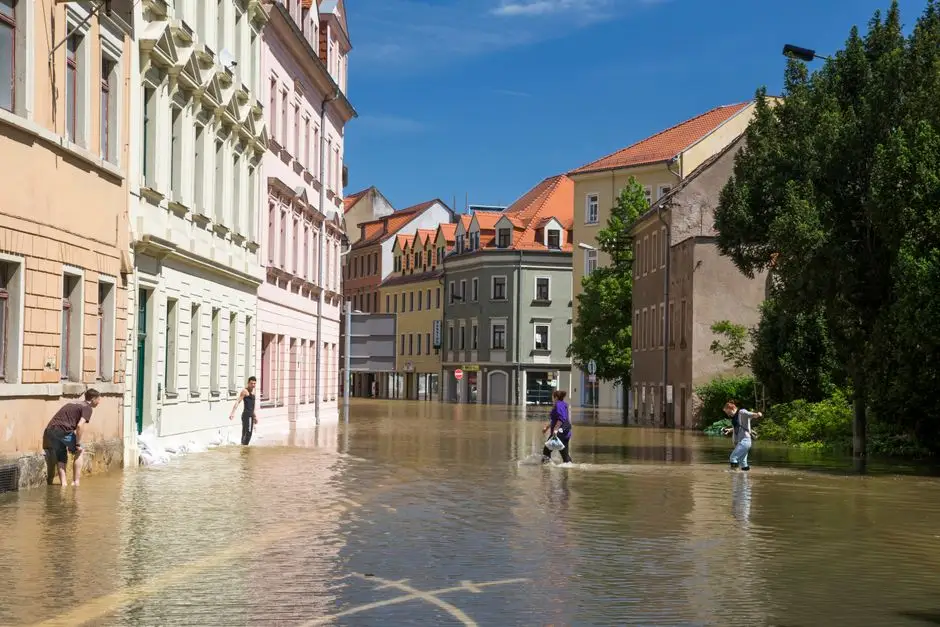
Sewer Backup and Contaminated Water Cleanup in Virginia helps homeowners and property managers facing sewage in a basement, bathroom, or occupied space. Our crew isolates the affected area, removes contaminated water and debris, then cleans and dries salvageable materials. If a drain has backed up or a storm has pushed contaminated floodwater indoors, call us before foot traffic spreads it through your home.

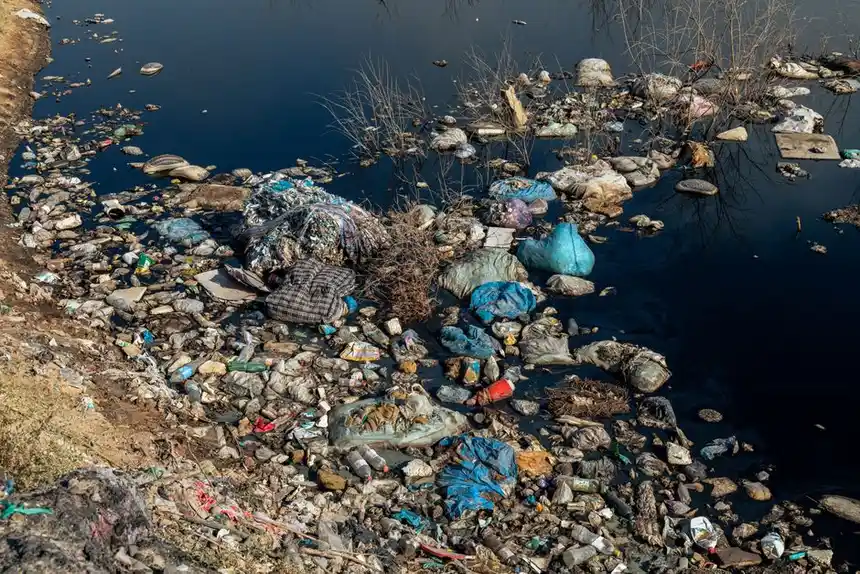
An aerial shot of a polluted riverbank covered with plastic waste and debris highlighting environmental issues.
Licensed Licensed & Bonded
Fully Insured Insured & Bonded
24/7 Emergency Same-Day Response
Warranty Backed Workmanship Guaranteed

What Sewer Cleanup Includes

Sewer backup cleanup covers the contaminated water and the building materials it reached. We inspect the source area, contain the work zone, extract water, remove unsalvageable porous items, clean compatible surfaces, apply disinfectant where appropriate, and dry retained materials with monitored equipment. Plumbing repair, rebuilding, and replacement finishes are separate work, but we identify where those steps connect so your restoration can proceed in order.

Initial Hazard Assessment

We identify the affected rooms, water depth, likely entry point, and materials at risk. The inspection sets safe access boundaries and helps determine whether the release is ongoing. You receive a practical explanation of the immediate cleanup sequence before equipment moves through your home.

Contained Water Extraction

We use pumps and extraction equipment suited to the depth and access, then collect residual water from edges and low points. The crew controls foot traffic and debris movement so contaminated liquid is not carried into unaffected rooms during removal.

Material Removal Decisions

We assess porous items such as carpet padding, drywall, and insulation for contamination and saturation. Materials that cannot be cleaned safely are removed and handled as contaminated debris. Retained surfaces are protected from unnecessary demolition and checked during drying.

Surface Cleaning and Disinfection

We remove visible soil before applying an appropriate antimicrobial disinfectant to compatible surfaces. Product label directions govern concentration and contact time. This step follows extraction and material removal; it does not replace cleaning or make contaminated porous materials automatically salvageable.

Drying and Moisture Checks

We set air movers and dehumidification equipment, then measure affected materials and room conditions. Follow-up readings guide equipment adjustments and help confirm whether retained flooring, framing, and wall areas are drying rather than holding hidden moisture.

Sewer Backup and Contaminated Water Cleanup in Virginia


Sewer Backup and Contaminated Water Cleanup in Virginia is a specialized restoration service that removes sewage-contaminated water, cleans affected materials, and dries the structure after a wastewater release. We first stop access to the hazard, identify the water source, and separate salvageable contents from porous materials that require removal. A submersible pump handles deeper water; a truck-mounted extraction unit clears remaining liquid. We then clean, disinfect, and measure moisture in floors, drywall, and framing so hidden dampness does not lead to secondary mold growth.

Virginia homes face sewer backups after intense rain, storm and hurricane flooding, failed ejector pumps, blocked lateral lines, or plumbing failures. Tidewater properties contend with coastal storms and saturated ground, while Northern Virginia buildings include finished basements and shared plumbing runs where a backup can affect multiple rooms. Our Virginia sewer backup and contaminated water cleanup work addresses the source and the damage. For Sewer Backup and Contaminated Water Cleanup in Virginia homes, prompt containment limits contact with contaminated materials and helps preserve unaffected areas.

What Happens During Cleanup

Virginia sewage water removal company service starts with hazard control, not a fan in the doorway. We walk you through each phase, explain what needs removal, and keep the work area organized while your home is being cleaned and dried.

01

Schedule

Call or book online — a real human picks up and confirms a 2-hour arrival window.

02

Diagnose

Licensed tech inspects on-site, then walks you through the cause and your options.

03

Fix

The job is completed to code and done right the first time — no shortcuts, no surprises.

04

Guarantee

Every job backed by a written workmanship warranty — and we stand behind it.

Equipment and Cleanup Methods

Tools & Equipment

Truck-mounted extraction unit

High-capacity extraction clears substantial standing water from accessible spaces. We follow with detailed edge work and moisture checks so water left in low spots does not escape the cleanup.

Submersible pump

A pump removes deeper water from basements and other low areas before fine extraction. Our crew monitors discharge and works within a contained route to reduce splash and tracking.

Moisture meter

We measure affected flooring, wall bases, and framing during inspection and drying. Repeat readings show whether materials are improving or need more air movement, dehumidification, or removal.

HEPA air scrubber

A HEPA air scrubber with HEPA filter media helps control airborne particles during suitable contained work. We position it according to the work area and keep contaminated debris managed.

Dri-Eaz commercial dehumidifier

A commercial dehumidifier removes moisture from room air while air movers circulate it across retained materials. We adjust placement as readings change during the drying period.

Methods & Standards

IICRC S500 water-damage workflow

We use the IICRC S500 Standard for Professional Water Damage Restoration as a reference for assessing water impact, documenting affected materials, and planning structural drying. Sewage contamination adds necessary controls: the crew contains the area, separates unsalvageable materials, and cleans before drying retained components.

Category 3 contamination control

Sewage is handled as contaminated water. We restrict access, wear appropriate protective equipment, manage debris, and avoid moving tools from the affected area into clean rooms without control. Porous materials are evaluated for safe removal rather than assumed cleanable.

Label-compliant disinfection

We remove soil first, choose a compatible product, and apply it according to the EPA-registered disinfectant label. Required concentration and contact time are followed. Disinfection supports cleaning of suitable surfaces; it does not replace extraction or removal of heavily contaminated porous materials.

Moisture-guided structural drying

We place air movers and dehumidification based on affected materials and room conditions, then return for measurements. A hygrometer helps track ambient humidity while a moisture meter checks structural materials. Equipment stays in place until readings support the next step.

When to Call for Cleanup

01

A basement floor drain releases sewage after a night of intense rain and water continues rising.

What we do: We first assess whether the inflow is active and establish a safe perimeter. Then we pump water from the lowest points, remove contaminated debris, and inspect nearby finished walls and flooring. If the source needs plumbing attention, we identify that priority before moving into full drying.

→ You get a controlled work area, less standing water, and a clear list of affected materials and next cleanup steps.

02

A toilet overflow spreads beyond the bathroom and reaches a hallway carpet and adjoining room.

What we do: We isolate the contaminated path, remove affected carpet padding where it cannot be cleaned safely, and extract water from hard flooring and accessible edges. Our team cleans compatible surfaces and checks the wall base for moisture before setting drying equipment.

→ The cleanup addresses the full route of travel instead of stopping at the bathroom doorway, reducing the chance of residue being tracked farther.

03

A shared laundry or utility room has sewage backing up through a floor drain in an occupied building.

What we do: We coordinate access to the affected room, protect adjoining clean areas, and move equipment along a controlled route. The crew extracts water around appliances and floor edges, removes contaminated porous materials, and documents the area for the property contact.

→ Residents have a defined restricted zone while the source area is cleaned, disinfected, and prepared for monitored drying.

04

A crawl space holds sewage-contaminated standing water after a plumbing line failure.

What we do: We assess entry and working clearance before pumping, then remove accessible liquid and contaminated debris. Our crew checks nearby insulation and framing, since damp material can remain hidden after surface water is gone. We set the next drying or removal steps around actual access and readings.

→ The crawl space is cleared of accessible contaminated water, with affected materials identified and a practical plan for drying or removal.
How Cleanup Works Across Virginia

Virginia's mix of coastal exposure, humid summers, cold-season freezes, and heavy rainfall changes how sewage emergencies unfold. Hampton and other Tidewater communities can see storm-driven drainage pressure and high groundwater; Northern Virginia properties often have finished basements, attached garages, and shared building systems that complicate access. Inland homes may face frozen plumbing during winter, followed by rapid thaw and a drain or line failure. We begin by identifying the water source and separating sewage from clean-water damage. Our Virginia sewer backup and contaminated water cleanup crew then plans containment, extraction, material removal, and drying around the structure. If you need professional cleanup for Category 3 water damage Virginia, we assess the contamination path and the materials it reached rather than treating every room alike. Building and plumbing requirements vary by project and local authority; we focus on safe restoration practices and coordinate the cleanup sequence with the needed repair. A basement with 2 inches of water requires a different pump setup from a crawl space with limited headroom, so equipment and access are planned on site.

Neighborhoods We Serve

  • Downtown Hampton

    Older buildings and compact utility spaces can make equipment access tight. We plan a controlled hose and debris route to keep the affected area separate from occupied rooms.

  • Leesburg historic district

    Older properties may combine finished spaces with older floor assemblies. We check flooring edges and wall bases carefully because moisture can travel beyond the visible drain area.

  • Sterling residential areas

    Finished lower levels and stored belongings are common cleanup concerns. We mark the affected footprint and protect the route between the entry point and the work zone.

  • Linton Hall communities

    Garage entries and lower-level utility areas can channel water toward interior flooring. We check adjoining rooms and wall cavities rather than limiting inspection to the drain.

Local Conditions We Plan For

  • Coastal rainfall and storm-driven drainage pressure

    Heavy rain can overwhelm drainage and push water through low-level drains. We confirm whether sewage is still entering, then prioritize containment and pumping before cleaning affected materials.

  • Cold-season pipe failures and spring thaw

    A frozen or damaged line can release water into basements and crawl spaces, sometimes exposing a backup that was not initially visible. We assess water category and check concealed areas before drying.

  • Humid summer air and limited crawl-space ventilation

    High humidity slows evaporation and can leave framing damp after the visible water is removed. We monitor room conditions and material readings, adjusting dehumidification rather than relying on open windows alone.

Finished Basement Drain Backup

Before

A floor drain backed up into a finished basement, leaving about 2 inches of contaminated water across a utility area and soaking carpet padding near the stairs. Stored boxes blocked part of the route, and the wall base felt damp. The family could not use the basement safely and was concerned about odor moving upstairs.

After

We contained the stair route, pumped the low area, and removed affected padding and contaminated porous contents. After cleaning the retained hard surfaces, we set drying equipment and checked moisture at the wall base over 4 days. The standing water was gone, the affected materials were documented, and the basement was ready for repair planning.

Maintenance: Keep floor drains accessible and avoid storing cardboard directly on basement floors. After severe rain, check low-level drains and utility areas for early signs of backup. Have a persistent drain problem assessed before the next storm.

Before

A plumbing failure left contaminated water in a low crawl space beneath a Virginia home. Limited clearance made inspection difficult, and damp insulation was close to the affected area. From inside the house, there was little visible evidence beyond a persistent odor near the floor.

After

Our crew assessed access, pumped the reachable standing water, and removed affected insulation from the work area. We checked nearby framing and monitored moisture as drying equipment operated. The cleanup established a clearer view of the structure and identified the materials that needed replacement instead of leaving concealed contamination in place.

Maintenance: Check crawl-space access after plumbing work and investigate new odors or dampness promptly. Keep stored items away from plumbing lines where possible, and arrange periodic inspection if the area has had repeated water entry.

Before

After prolonged rain, sewage rose through a utility-room drain and spread around a washer and storage shelving. Water reached the floor edges and the bottom of drywall, while the rest of the home remained dry. The occupants needed the room isolated without blocking the main passage.

After

We established a contained work zone, extracted the pooled water, and cleared contaminated debris from around the appliances. The crew cleaned compatible surfaces, checked the drywall and adjoining wall base, and monitored drying for 3 days. The passage stayed usable while the affected room remained restricted during active cleanup.

Maintenance: Keep the utility-room drain clear of stored items and note any recurring slow drainage. After heavy rainfall, inspect the room early and avoid running appliances if water is rising around electrical connections.

Solve Sewage Backup Problems at Home

A sewage backup can damage more than the visible floor area. Contamination travels with foot traffic, liquid can wick into porous materials, and moisture can remain behind trim or inside wall cavities. We handle the immediate hazard first, then work outward through extraction, cleaning, and drying.

Problem

Sewage pooling across a finished basement floor

Liquid can soak carpet padding, baseboards, and stored belongings, while each step spreads residue to adjoining rooms and stairways.

Our Fix

We close off the affected route, extract standing water, and separate salvageable contents from items that need removal. Our crew checks floor edges and nearby drywall for moisture, cleans compatible surfaces, and sets drying equipment where readings show retained materials are wet.

Problem

Sewer odor remains after visible water is gone

Residue trapped in floor seams, porous materials, or a drain area can continue producing odor and indicate that cleaning is incomplete.

Our Fix

We inspect the water path and affected surfaces rather than masking the smell. Our technicians remove contaminated porous material as needed, clean exposed surfaces, and use disinfectant according to its label. Moisture and visual checks help distinguish remaining contamination from a separate plumbing or drain issue.

Problem

Hidden dampness behind a wall or cabinet

Moisture in a wall cavity or cabinet base can damage materials out of sight and create conditions for secondary mold growth.

Our Fix

We use a moisture meter and targeted inspection to locate wet areas beyond the visible puddle. If the reading shows trapped water, we explain the affected material and remove only what is necessary to access and dry the cavity. Follow-up measurements track whether the structure is responding.

Problem

Stormwater and sewage enter together

Mixed contaminated floodwater makes ordinary flood cleanup unsafe and complicates decisions about contents, flooring, and disposal.

Our Fix

We treat the impacted area as sewage-contaminated until the source and exposure are assessed. Our crew contains the zone, pumps water, removes unsalvageable materials, and cleans retained surfaces. The work plan accounts for both the water route and the building materials it reached.

Safer Rooms, Drier Structures

Safer Rooms, Drier Structures

Sewage requires more than pumping out visible water. We control the affected zone, remove contaminated contents, disinfect surfaces, and track drying with readings you can understand. The result is a clear work sequence from the first extraction through the final moisture check.

  • Contain the Affected Zone

    We use polyethylene sheeting and controlled work practices to keep sewage residue from tracking into clean rooms. Disposable nitrile gloves and suitable respirator cartridges protect the crew during handling. You get a defined work area, clear access guidance, and fewer opportunities for contamination to spread across floors or shared hallways.

  • Remove Water Promptly

    A portable wet vacuum or submersible pump removes liquid based on depth and access, followed by detailed extraction around edges and low spots. We check the floor and nearby wall cavities with a moisture meter rather than relying on appearance. This helps identify damp materials that could otherwise remain wet after the surface looks clean.

  • Clean and Disinfect Materials

    Our technicians remove unsalvageable porous items, then clean compatible surfaces and apply antimicrobial disinfectant according to its label. Sewage backup cleanup in Virginia must account for contamination as well as visible staining. We document affected materials and keep the sequence focused on safe removal, cleaning, and drying.

  • Track Structural Drying

    We position air movers and a commercial dehumidifier to move moisture out of retained materials, then record readings during drying. A hygrometer helps track room conditions, while repeat moisture checks show whether the floor or framing is approaching a dry standard. You see measurable progress instead of a guess based on touch.

Technical Cleanup Experience

Our local experience covers sewage releases in finished basements, utility rooms, crawl spaces, and shared residential buildings. We train around the IICRC Water Damage Restoration Technician (WRT) principles and apply the IICRC S500 Standard for Professional Water Damage Restoration to water-damage assessment and drying practices. Sewage is treated as contaminated water, so containment, material decisions, cleaning, and verification all matter. We explain what can be cleaned and what should come out, then keep the work focused on the affected footprint rather than using a one-size-fits-all approach.

  • We distinguish clean-water plumbing leaks from Category 3 sewage contamination before selecting extraction and cleaning methods.
  • Moisture meter readings help identify water migration beneath flooring and into hidden wall cavities.
  • Our crew uses HEPA air scrubber filtration when work conditions require airborne particle control in the contained area.
  • We follow product label directions and OSHA Hazard Communication Standard practices for chemical handling and storage.
  • Drying checks combine material readings with room humidity so equipment changes respond to actual conditions.
Get Started Today
Technical Cleanup Experience

Sewer Cleanup Questions, Answered

Real answers to the questions we hear most often from local homeowners and property managers.

Who handles sewer backup cleanup in Virginia?
A trained water-damage restoration crew handles contaminated water extraction, cleaning, and structural drying in Virginia. We isolate the affected area, remove sewage and unsalvageable porous materials, disinfect compatible surfaces, and monitor moisture as the structure dries. If a plumbing defect is still active, we identify the likely source and help you address the needed repair. For emergency contaminated water extraction in Virginia, call us and keep people and pets out of the affected rooms.
Is sewage backup water safe to remove without professionals?
No; sewage backup water can contain pathogens and should not be handled without appropriate protection and cleanup controls. Avoid contact, keep children and pets away, and do not use household fans that could spread contamination. Our crew uses protective equipment, controlled extraction, and disinfectant applied according to label directions. Porous materials such as carpet padding and insulation often need removal when contaminated, rather than surface cleaning alone.
How quickly should contaminated water be cleaned up?
Start containment immediately and arrange professional extraction as soon as possible, ideally within the first 24 hours. Longer exposure increases the chance that water will wick into drywall, flooring, and framing, while warm, damp conditions can support secondary mold growth. Keep clear of the affected area and avoid contact with electrical equipment. We assess the water source, remove standing liquid, and set drying equipment after contaminated materials are addressed.
Does sewer backup cleanup include sanitizing and drying?
Yes; our cleanup sequence includes extraction, removal of contaminated unsalvageable materials, cleaning, appropriate disinfection, and drying checks. The exact work depends on which materials were exposed and whether they can be cleaned safely. We use moisture readings to guide equipment placement and confirm drying progress. Professional cleanup for Category 3 water damage Virginia requires attention to contamination and structure, not just pumping out visible water.

Related Cleanup Services

Emergency Water Extraction

Sewage often leaves water in low spots and beneath stored belongings. Emergency Water Extraction removes standing liquid quickly, then our crew follows with contamination-specific handling, cleaning, and drying so the room is not treated like an ordinary plumbing leak.

View Emergency Water Extraction

Water Damage Restoration

After sewer water is removed, Water Damage Restoration addresses affected building materials and drying. We inspect flooring, drywall, and framing, track moisture, and identify repair needs so you can move from cleanup toward restoring usable rooms.

View Water Damage Restoration

Flood Water Removal

Stormwater can mix with sewage when drainage systems are overwhelmed. Flood Water Removal clears the liquid, while our team evaluates contamination and separates ordinary water-damage procedures from the controls required for sewage exposure.

View Flood Water Removal

Storm and Hurricane Water Damage Cleanup

Heavy rain and coastal storms can overwhelm drainage and push contaminated water indoors. This service pairs storm cleanup with source assessment, debris removal, and a plan for drying affected rooms after sewage-related hazards are controlled.

View Storm and Hurricane Water Damage Cleanup

Basement and Crawl Space Water Removal

A backup often settles in basement corners or crawl spaces where access is tight and moisture stays trapped. We pump accessible standing water, remove contaminated debris, and check nearby materials before setting equipment for controlled drying.

View Basement and Crawl Space Water Removal

Standing Water Removal

Standing Water Removal clears pooled liquid before it migrates farther into flooring and wall bases. For sewage, we use a contamination-aware approach that includes controlled extraction, safe handling of removed material, and cleaning after pumping.

View Standing Water Removal

Call for Sewer Backup Cleanup in Virginia

Keep people and pets away from contaminated water and call our crew for a response plan. Our technicians explain the next steps and use controlled extraction, cleaning, and moisture checks to get your home moving toward safe restoration.

Call Now Call for Help

Contact Our Team

Call Virginia Water Extraction Pros at +1-866-896-8166 any time to report a leak, flood, or sewer backup. We take calls 24/7 and connect you with independent companies serving Virginia communities. Share your location, the water source, and the rooms affected so the responding company can discuss the next step with you.

Or call us right now at +18668968166 — we answer.

Virginia Water Extraction Pros


  • Phone

    +18668968166
  • Address

    Virginia

  • Hours

    Mon–Fri: 7AM – 7PM
    Sat: 8AM – 4PM
    Sun: Emergency Only
    24/7 Emergency Available

Call +18668968166 Get Quote
Call Quote