
Logo
Get Estimate

Burst Pipe and Plumbing Leak Water Extraction in Virginia

Stop the leak, remove water, protect your home


Burst Pipe and Plumbing Leak Water Extraction in Virginia helps homeowners and property managers facing a split supply line, failed fitting, or hidden plumbing leak. We locate the water source, extract standing water, and dry affected rooms and building materials before trapped moisture leads to swelling or secondary mold growth. Our crew handles urgent calls across Virginia, from a frozen pipe at night to a water heater leak discovered before work or school.

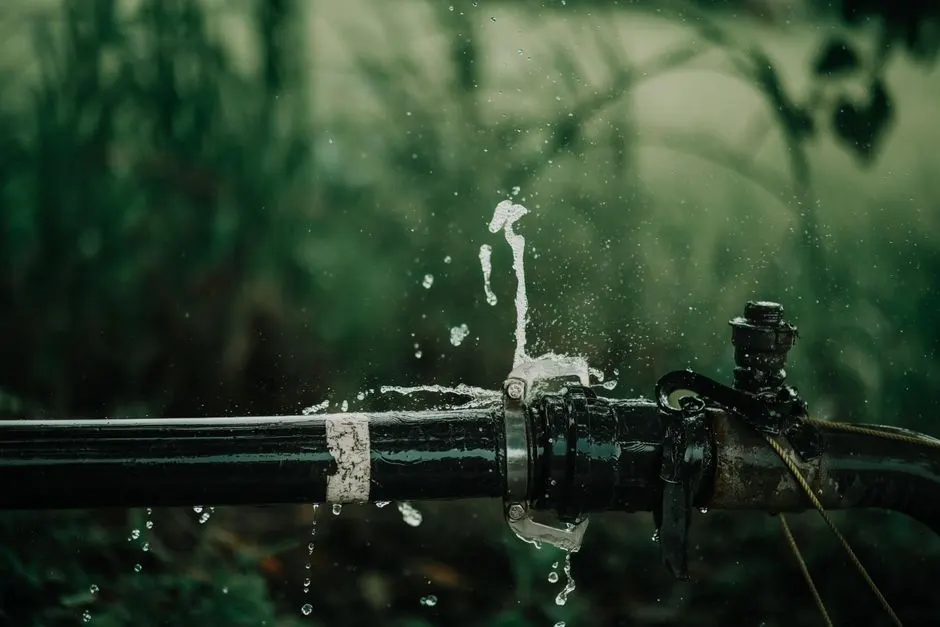
A detailed view of a leaking water pipe in a lush green garden setting.
Licensed Licensed & Bonded
Fully Insured Insured & Bonded
24/7 Emergency Same-Day Response
Warranty Backed Workmanship Guaranteed

What Pipe-Leak Extraction Includes

Burst Pipe and Plumbing Leak Water Extraction in Virginia covers water removal and drying assessment after the source is controlled. We inspect visible and accessible affected areas, extract standing water, and use moisture readings to guide equipment placement. If the loss involves contaminated water, extensive demolition, plumbing repair, or rebuilding, we identify that work separately so the cleanup method matches the actual condition.

Initial Water Assessment

We identify the apparent source, affected rooms, water depth, and materials at risk. Our crew checks nearby floors and wall edges because water often travels beyond the first visible puddle. You receive a clear explanation of immediate extraction and drying priorities.
Standing Water Extraction

We remove pooled water using equipment suited to the location, such as a submersible pump for deeper water or a portable wet vacuum for smaller accessible areas. Extraction includes a practical check for remaining water at edges, transitions, and accessible low points.

Moisture Mapping

We take moisture readings in affected materials and compare them with nearby areas to understand the extent of wetting. A thermal imaging camera can help flag locations for closer inspection, while direct readings guide the drying plan. You learn which materials need continued attention.

Drying Equipment Setup

Air movers and a commercial dehumidifier are placed according to the room layout and affected surfaces. We explain how to keep equipment operating and why moving it can interrupt airflow. Follow-up checks help determine whether moisture levels are trending down.

Work-Area Protection

We protect nearby contents and limit tracking with polyethylene sheeting and absorbent pads where appropriate. Crew members use disposable nitrile gloves and other protective equipment suited to the conditions. If water quality is uncertain, we assess it before choosing cleaning procedures.

Burst Pipe and Plumbing Leak Water Extraction in Virginia


Burst Pipe and Plumbing Leak Water Extraction in Virginia is an emergency cleanup service that removes water from a building after a plumbing line leaks or ruptures. We first help stop active water flow, then use extraction equipment to clear floors, carpet, and accessible cavities. A moisture meter and thermal imaging camera help us trace wet areas beyond the visible puddle. We document affected materials, set air movers and a commercial dehumidifier where needed, and check readings as drying progresses. The goal is to remove bulk water promptly and limit damage to drywall, flooring, trim, and contents.

Virginia homes face different pipe risks through the year: winter freezes can split exposed lines, while humid summers slow natural drying in basements and crawl spaces. Older supply connections, second-floor bathrooms, and appliance hoses can send water into ceilings or rooms below. Our Virginia burst pipe and plumbing leak water extraction addresses the leak aftermath, not just the puddle; if water has crossed a finished room, we map its path and identify hidden moisture. Burst Pipe and Plumbing Leak Water Extraction in Virginia homes is especially useful when a small visible leak has soaked insulation or wall cavities.

What Happens During Service

Burst Pipe and Plumbing Leak Water Extraction in Virginia follows a clear sequence, so you know what our crew is doing at each stage. We coordinate with you and, when needed, your plumber or property manager.

01

Schedule

Call or book online — a real human picks up and confirms a 2-hour arrival window.

02

Diagnose

Licensed tech inspects on-site, then walks you through the cause and your options.

03

Fix

The job is completed to code and done right the first time — no shortcuts, no surprises.

04

Guarantee

Every job backed by a written workmanship warranty — and we stand behind it.

Equipment and Drying Methods

Tools & Equipment

Truck-mounted extraction unit

We use high-capacity extraction for accessible floors and larger water losses, removing bulk water before setting drying equipment. The crew selects hose routing and extraction passes to fit the property layout.

Submersible pump

A submersible pump moves deeper pooled water from basements and other low areas. We monitor the water level and switch to surface extraction when the remaining depth suits vacuum equipment.

Moisture meter

We take direct readings in affected materials and compare them with nearby reference areas. This helps identify wet drywall, flooring, and trim that may not look damaged from the room.

Air mover and dehumidifier

Air movers circulate air across wet surfaces while a commercial dehumidifier removes moisture from the room. We position equipment based on the affected materials and recheck conditions as drying progresses.

Dri-Eaz equipment

Dri-Eaz drying equipment supports controlled airflow and dehumidification on residential water losses. We use the model and setup appropriate to the room, access, and moisture conditions.

Methods & Standards

IICRC S500 Standard for Professional Water Damage Restoration

We use the IICRC S500 framework to guide inspection, water classification, extraction, and structural drying decisions. It helps us consider the source, affected materials, and occupant safety rather than applying the same equipment plan to every leak. We document conditions and adjust the drying setup when readings show that moisture remains.

Moisture mapping and verification

We record readings across affected and nearby materials to understand where water traveled and whether drying is progressing. Thermal imaging can help locate suspect areas, but we confirm conditions with appropriate measurement. You receive a practical explanation of the readings and what they mean for the next step.

Controlled containment and cleaning

We protect unaffected contents and limit transfer between work areas using appropriate barriers and cleaning practices. If the water source is contaminated, the response changes to account for exposure risk and material contact. We follow product directions for antimicrobial disinfectant, including EPA-registered disinfectant label compliance when that treatment is appropriate.

When to Call Our Pipe-Leak Crew

01

A frozen line splits overnight and water runs through a kitchen or finished basement before you find the shutoff.

What we do: Once the supply is stopped, we assess how far water traveled, remove standing water, and check nearby cabinetry, flooring, and wall bases. We set drying equipment according to the wet materials and help coordinate timing with the plumbing repair. If the leak affected a lower level, we inspect the stairs and adjoining rooms too.

→ You get water removed and a defined drying plan, with readings to track progress rather than relying on a dry-looking floor.

02

A second-floor bathroom connection leaks while you are away, leaving a ceiling stain and wet flooring below.

What we do: We inspect both the bathroom and the room beneath it, because water can follow framing and appear away from the leak. After extraction, we check ceiling and wall moisture and explain whether additional access is needed. We keep clear of any visibly sagging ceiling and coordinate the cleanup sequence with your plumber.

→ The affected rooms are assessed as one connected loss, reducing the chance that hidden water is missed below the original leak.

03

A water heater connection fails in a utility room just before a holiday gathering or tenant move-in.

What we do: We remove pooled water from the utility area, check adjoining flooring and storage spaces, and identify whether water reached drywall or insulation. We position drying equipment without blocking essential access where possible. You receive straightforward guidance on what can be used safely while the pipe repair and drying continue.

→ The immediate water is cleared and the affected materials are tracked, helping you plan around the repair instead of discovering new wet areas later.

04

A shared-wall leak in an apartment affects a neighboring unit and a common hallway.

What we do: We coordinate access with the resident or property contact, separate affected spaces, and document where moisture is present. Our crew extracts water and checks wall edges, corridor flooring, and nearby unit thresholds. We explain equipment placement so residents understand how to keep the drying setup undisturbed.

→ The cleanup follows the water path across connected spaces, with clearer communication for residents and property management.

How Pipe-Leak Extraction Works Across Virginia

Burst Pipe and Plumbing Leak Water Extraction in Virginia has to account for regional weather and building layouts. In November and through winter, exposed lines in garages, crawl spaces, and exterior walls face freeze risk; spring rain can complicate basement moisture, while humid summer air slows drying. Northern Virginia properties often include attached townhomes, condos, and multi-level buildings where water crosses party walls or reaches a unit below. Older homes elsewhere may have narrow access routes, plaster finishes, or concealed pipe runs. We adapt equipment placement to the structure and document wet materials before drying begins. Virginia burst pipe and plumbing leak water removal starts with a controlled source, safe access, and water extraction, then shifts to room-by-room moisture checks. We follow applicable safety requirements and use the IICRC S500 framework for restoration work; plumbing repairs and building permits are handled according to the work and local authority requirements. If you need emergency water extraction after a plumbing leak in Virginia, share the property type and affected levels when you call. That lets us prepare for stairs, shared access, or a low crawl space before arrival.

Neighborhoods We Serve

  • Old Town Alexandria

    Historic and tightly spaced homes can have concealed pipe routes and finished lower levels. We check beyond the first visible stain and plan equipment placement around narrow rooms and access.

  • McLean residential areas

    Larger homes may have multiple bathrooms, utility rooms, and finished basements. We trace water across connected levels and check adjoining rooms rather than treating each puddle as a separate event.

  • Burke neighborhoods

    Townhomes and single-family properties can route water through shared or stacked spaces. We coordinate access and inspect the room below a leak as well as the original source area.

  • Fredericksburg homes

    A basement or crawl space can be difficult to dry after a line failure. We use pumping where water is deep and check accessible framing and insulation once standing water is removed.

Local Conditions We Plan For

  • Freezing winter nights expose pipes in garages and crawl spaces

    A split line can release water before the home is occupied for the day. We prioritize source control and extraction, then inspect the route from the exposed pipe to lower rooms where water may have traveled.

  • Humid summer air slows drying in enclosed rooms

    Open windows do not always help a saturated room when outdoor humidity is high. We use controlled airflow and dehumidification, then track moisture readings so equipment decisions reflect the materials and indoor conditions.

  • Multi-level and attached housing spreads leaks between units

    Water can cross ceilings, shared walls, and hallway floors before it becomes visible. We map connected areas, coordinate access with occupants or managers, and avoid closing out one room while adjoining materials remain wet.

Upstairs Supply-Line Failure

Before

A failed bathroom supply connection soaked the floor and left a ceiling mark in the room below. The homeowner had shut off the water, but damp carpet padding and a wet wall edge remained. The visible stain did not show how far moisture had traveled through the floor assembly.

After

We extracted the bathroom floor, checked the room below, and recorded readings at the ceiling and wall edge. Drying equipment ran for three days, with follow-up readings showing a downward trend at each checked point. The homeowner had a clear record of which areas were dry and which needed continued attention.

Maintenance: Inspect flexible supply connections and shutoff valves during routine home checks. Replace visibly worn or leaking parts through a qualified plumbing professional, and keep the main shutoff accessible so you can stop water quickly.

Before

A pipe split near the basement utility area and water spread across the floor before the leak was found. Boxes, stored items, and the lower edge of finished drywall were wet. The homeowner was concerned that water had moved behind the wall and into the adjoining room.

After

We pumped the pooled water, extracted the remaining floor moisture, and checked the drywall perimeter with a moisture meter. Air movers and a dehumidifier operated for four days as readings improved. The wettest wall section was identified for further access rather than assumed dry from its outer surface.

Maintenance: Keep stored items on shelving rather than directly on basement floors, and check utility-area pipes before winter. Learn the shutoff location and keep the path to it clear of boxes and equipment.

Before

A leaking plumbing connection affected one apartment and the shared hallway carpet. Residents tracked water between the unit and corridor, while the wall base remained damp after the visible puddle was wiped up. Property management needed a plan that would not block the entire floor.

After

We separated the wet areas, extracted water from the unit and hallway, and checked nearby wall edges. Drying equipment was placed to preserve a usable route through the building. Follow-up readings over two days showed the hallway and unit drying, and management received a clear summary of remaining concerns.

Maintenance: Ask residents to report unexplained ceiling marks, damp baseboards, or persistent plumbing sounds promptly. Keep access to shutoff valves and utility spaces clear, and document which units or shared areas show moisture.

Problems Burst-Pipe Cleanup Solves

A pipe leak can damage more than the floor directly beneath it. Burst Pipe and Plumbing Leak Water Extraction in Virginia targets standing water, hidden wet materials, and moisture movement before a contained leak turns into a larger repair.

Problem

Water spreading beneath flooring after a supply-line rupture

Trapped water can loosen flooring, soak carpet padding, and migrate into adjacent rooms. Delayed drying also raises the risk of persistent odor and secondary mold growth.

Our Fix

We extract visible water and inspect seams, edges, and nearby wall bases for moisture. Readings guide whether air movers and a commercial dehumidifier are needed. If flooring has lifted or water has reached an inaccessible layer, we explain the condition and the next practical step instead of treating the surface as dry.

Problem

A ceiling stain growing below an upstairs plumbing leak

Water can collect above drywall before a stain appears, weakening the ceiling and wetting insulation. A spreading or sagging area needs prompt attention and should not be disturbed.

Our Fix

We trace the likely water path, check the ceiling and adjacent wall, and remove accessible water where safe. We use moisture readings to determine whether drying can occur from the room side or whether access is needed. You get guidance to keep clear of an unstable ceiling while the leak is repaired.

Problem

Basement flooding from a split pipe or failed connection

Water can pool around stored belongings, utility equipment, and finished wall bases. A damp basement is slow to dry, particularly when outside air is humid.

Our Fix

We pump deeper water, extract remaining surface moisture, and assess the basement perimeter and accessible framing. Our team uses airflow and dehumidification based on room conditions, then checks progress. If the source was contaminated or mixed with another water source, we change the cleanup approach to protect occupants.

Problem

Moisture hidden inside wall cavities after a small leak

A leak behind a cabinet or wall can continue damaging insulation and framing after the visible drip stops. The room may look normal while moisture remains enclosed.

Our Fix

We inspect the area around the leak with a moisture meter and use thermal imaging to identify points for direct assessment. We explain which sections need drying access and monitor readings rather than sealing a damp cavity. The aim is a documented drying path before repair work closes the wall.

What Prompt Extraction Protects

What Prompt Extraction Protects

Burst Pipe and Plumbing Leak Water Extraction in Virginia is about controlling the damage while the plumbing repair is handled. We focus on measurable moisture removal, clear communication, and practical steps that help you use your home safely again.

  • Less Water Left Behind

    We remove standing water with a truck-mounted extraction unit or portable wet vacuum selected for access and volume. Clearing water quickly reduces the time flooring and carpet padding stay saturated. We record moisture readings at affected points so you can see whether the room is drying, rather than relying on surface appearance alone.

  • Hidden Wet Areas Found

    Water can travel behind baseboards, under cabinets, and through ceiling assemblies before it appears elsewhere. We use a moisture meter and thermal imaging camera to identify suspect areas, then explain what needs further drying. This reduces the chance of closing up a damp wall and creating conditions for secondary mold growth.

  • Safer, Cleaner Work Area

    Our crew protects nearby contents with polyethylene sheeting and uses absorbent pads where they help control drips and foot traffic. When the loss involves potentially contaminated water, we select protective equipment and cleaning steps appropriate to the source. You get a contained work zone instead of water being tracked through the property.

  • A Clear Drying Plan

    You receive a practical sequence: extraction, affected-material assessment, equipment placement, and moisture checks. A hygrometer helps us track room conditions while air movers and a commercial dehumidifier support drying. We explain what is dry, what still needs attention, and when equipment should be rechecked or removed.

Training and Work Standards

Licensed & Certified

  • Water Damage Restoration Technician — issued by Institute of Inspection, Cleaning and Restoration Certification
  • Applied Structural Drying — issued by Institute of Inspection, Cleaning and Restoration Certification
  • Applied Microbial Remediation Technician — issued by Institute of Inspection, Cleaning and Restoration Certification
  • IICRC S500 Standard for Professional Water Damage Restoration — issued by Institute of Inspection, Cleaning and Restoration Certification

Verified Reviews

Customer feedback Not stated

A homeowner described a burst pipe that soaked the basement floor and the lower wall. The crew removed the standing water, checked moisture around the utility area, and explained why the dehumidifier needed to stay in place. The homeowner said the readings and follow-up made it clear when drying had progressed.

Customer feedback Not stated

A property manager reported a plumbing leak affecting an apartment and a shared corridor. The cleanup crew separated the work areas, extracted water, and coordinated equipment placement with residents. The manager valued having the affected spaces checked together instead of relying on the visible hallway puddle.

Customer feedback Not stated

A Virginia homeowner found water below an upstairs bathroom leak. The team inspected both levels, explained the ceiling moisture readings, and set drying equipment after extraction. The homeowner appreciated having a concrete next step for the wet wall edge and knowing which areas required another check.

Training for Water Damage Work

Burst Pipe and Plumbing Leak Water Extraction in Virginia requires more than a pump: the crew must understand how water moves through building materials and how to dry them without spreading contamination. We use IICRC Water Damage Restoration Technician training and the IICRC S500 Standard for Professional Water Damage Restoration as the framework for inspection, extraction, and drying decisions. Our technicians document conditions, protect occupants, and work carefully around electrical and structural concerns. We coordinate the extraction and drying work with your plumber so the source repair and cleanup move forward together.

  • IICRC Water Damage Restoration Technician training supports consistent assessment, extraction, and drying practices on residential losses.
  • IICRC S500 Standard for Professional Water Damage Restoration informs our approach to water categories, affected materials, and drying documentation.
  • Moisture readings are taken at multiple locations, not just the visible stain or the center of the wet floor.
  • Our crew uses appropriate gloves and respirator cartridges when work conditions call for added personal protection.
  • We distinguish clean supply-line water from sewer backup or other contaminated floodwater before selecting cleanup procedures.
Get Started Today
Training for Water Damage Work

Cities We Serve in Virginia

Our statewide coverage brings Burst Pipe and Plumbing Leak Water Extraction to homes, rentals, and commercial properties across Virginia. We plan around local building layouts, access, weather, and the number of connected spaces affected. From dense attached housing to basement properties, our crew begins with source control and moisture mapping. We also provide burst pipe and plumbing leak water removal in Virginia for customers who need standing water cleared and a drying plan started.

Questions About Pipe-Leak Cleanup

Real answers to the questions we hear most often from local homeowners and property managers.

Who provides burst pipe water extraction in Virginia?
Virginia Water Extraction Pros provides burst pipe water extraction across Virginia, including emergency pumping, surface extraction, and structural drying. Call +18668968166 and describe the leak, the affected rooms, and whether the water is still running. We first address immediate safety and water control, then inspect flooring and nearby walls for moisture. If the source needs repair, we coordinate the cleanup sequence with your plumber.
How quickly should water be removed after a pipe bursts?
Remove standing water as soon as the leak is stopped, ideally within 24 hours, to limit material damage and drying complications. Water can spread under flooring or into drywall within hours, especially when a room is warm. Shut off the supply if safe, keep clear of electrical hazards, and call for emergency water extraction after a plumbing leak in Virginia. We assess the affected area and begin pumping or extraction based on water depth.
Does plumbing leak water removal include wall drying?
Yes, plumbing leak water removal can include wall drying when inspection confirms moisture behind or within the wall assembly. We check drywall and adjacent materials with a moisture meter and use thermal imaging to locate areas needing further assessment. Drying may take two to four days for a contained loss, but wet insulation or a larger cavity can take longer. We explain whether the wall can dry in place or needs access.
What should I do before a water extraction crew arrives?
If it is safe, shut off the affected water supply, keep people away from wet electrical equipment, and move small valuables out of the wet area. Do not run household appliances through standing water or cut into a wall. Photograph visible damage if you can do so safely, then call +18668968166 with the leak source and room locations. We will guide you through the immediate steps and prepare the right extraction equipment.

Related Cleanup Services

Emergency Water Extraction

A sudden pipe failure can leave water across several rooms before a plumber arrives. Emergency Water Extraction focuses on rapid pumping and removal from floors and accessible spaces, then transitions into moisture checks. We coordinate the sequence with the pipe repair so your cleanup does not begin while water is still entering the building.

View Emergency Water Extraction

Water Damage Restoration

Extraction removes water, while Water Damage Restoration addresses the broader recovery of affected materials and rooms. After a pipe leak, we assess drywall, flooring, trim, and contents, then identify drying or repair needs. You get a clearer plan for moving from a wet room toward a usable space.

View Water Damage Restoration

Flood Water Removal

A plumbing rupture can flood a basement or low-level room quickly. Flood Water Removal uses pumps and extraction tools suited to the depth and volume, followed by an assessment of water quality and affected materials. If the source is not a clean supply line, we adjust protection and cleanup methods.

View Flood Water Removal

Storm and Hurricane Water Damage Cleanup

Storm-driven water can affect a property at the same time as a plumbing leak, complicating the source and the drying plan. This service addresses water intrusion from severe weather, while pipe-leak extraction targets plumbing failures. We separate affected areas and identify the source before choosing equipment or cleanup steps.

View Storm and Hurricane Water Damage Cleanup

Basement and Crawl Space Water Removal

A broken pipe can send water into a basement or crawl space where it is difficult to reach with household equipment. We use a submersible pump for pooled water and inspect accessible framing and insulation afterward. The goal is to remove standing water and identify moisture that could remain below the main floor.

View Basement and Crawl Space Water Removal

Standing Water Removal

When a pipe leak leaves pooled water on a hard floor, prompt removal limits migration into adjoining rooms and lower materials. We choose a pump or extraction unit according to depth, surface, and access. Once the water is cleared, we check edges, seams, and nearby walls for continued moisture.

View Standing Water Removal

Call for Pipe-Leak Extraction in Virginia

A burst line needs prompt water control and a drying plan based on real moisture readings. Call Virginia Water Extraction Pros at +18668968166; our team will help you take the next step and arrange service across Virginia.

Call Now Call for Help

Contact Our Team

Call Virginia Water Extraction Pros at +1-866-896-8166 any time to report a leak, flood, or sewer backup. We take calls 24/7 and connect you with independent companies serving Virginia communities. Share your location, the water source, and the rooms affected so the responding company can discuss the next step with you.

Or call us right now at +18668968166 — we answer.

Virginia Water Extraction Pros


  • Phone

    +18668968166
  • Address

    Virginia

  • Hours

    Mon–Fri: 7AM – 7PM
    Sat: 8AM – 4PM
    Sun: Emergency Only
    24/7 Emergency Available

Call +18668968166 Get Quote
Call Quote