Logo
Get Estimate

Appliance Leak Water Removal in Virginia

We extract appliance water and dry the damage


Appliance Leak Water Removal in Virginia helps homeowners and property managers stop spreading damage after a washer hose bursts, a dishwasher overflows, or a refrigerator line seeps behind cabinets. We remove standing water, check nearby flooring and wall cavities, and set drying equipment for the materials affected. Our appliance leak water extraction in Virginia is built around the leak source and the wet area, so you can get a clear plan and protect the rest of your home.

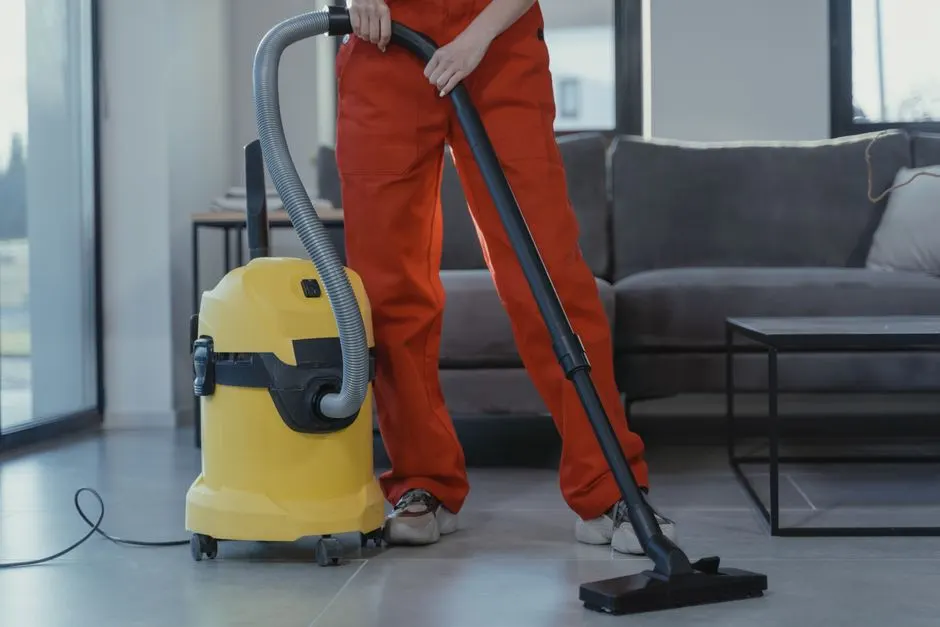
A professional cleaner in red coveralls vacuums a contemporary living room with a yellow vacuum cleaner.
Licensed Licensed & Bonded
Fully Insured Insured & Bonded
24/7 Emergency Same-Day Response
Warranty Backed Workmanship Guaranteed

What Appliance Leak Cleanup Includes

Appliance Leak Water Removal covers source identification, standing-water extraction, moisture mapping, and drying of affected materials. We also protect nearby belongings and document progress. If the appliance itself needs repair, a plumber or appliance technician handles that work; if damaged cabinets, flooring, drywall, or insulation need replacement, those repairs are planned after the area is dry. We explain the difference so you know which step comes next.

Leak Path Inspection

We inspect the appliance connection, visible drain, nearby cabinets, flooring, and adjoining rooms to understand where water traveled. We do not replace appliance parts, but we help identify whether a supply hose, drain, or connection needs a repair before drying can finish.
Standing Water Extraction

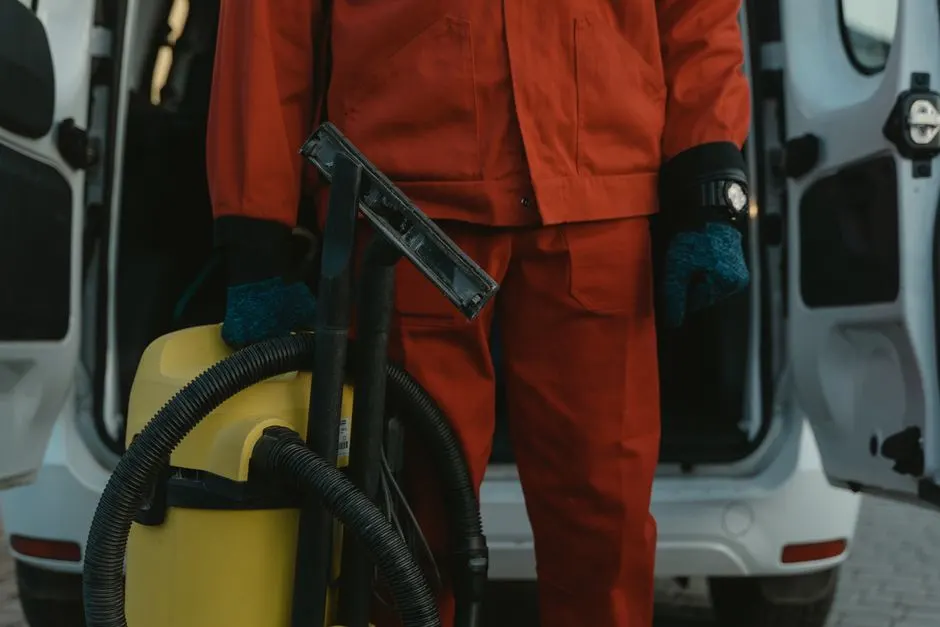
We remove pooled water from hard floors, carpet, and accessible low points with equipment suited to the volume. A portable wet vacuum handles shallow spills; a submersible pump is used when water depth makes vacuum extraction inefficient.

Moisture Mapping

We check affected surfaces and nearby materials with a moisture meter, including floor edges and accessible wall areas. This identifies the practical drying boundary and gives us a baseline for follow-up readings, rather than relying on appearance alone.

Drying Equipment Setup

Air movers and a commercial dehumidifier are positioned to circulate air and remove moisture. We explain where the equipment will sit, how to keep vents clear, and why it should remain running until readings show the materials have dried.

Progress And Completion Check

We compare readings during drying and adjust equipment when conditions change. At completion, we review the affected area and explain any remaining repair needs, such as replacing swollen flooring or opening a wet wall cavity.

Appliance Leak Water Removal in Virginia


Appliance Leak Water Removal in Virginia is a water damage service that extracts escaped water and dries affected building materials after a household appliance leak. We first stop or isolate the water source, then remove pooled water with a portable wet vacuum or extraction unit. Our crew checks flooring, cabinet bases, drywall, and adjacent rooms with a moisture meter before placing air movers and a commercial dehumidifier. The goal is not just a dry-looking surface; it is to reduce trapped moisture that can swell wood, loosen flooring adhesive, or support secondary mold growth.

Virginia homes face appliance leaks in every season, from a frozen supply hose during a cold snap to a refrigerator connection that slowly drips through humid summer weather. A second-floor washer can send water through ceiling cavities, while a dishwasher leak may reach toe-kicks and carpet padding before it becomes visible. Virginia washing machine leak cleanup includes water removal and material checks, and our crew handles appliance leak water extraction near me in Virginia searches by coordinating coverage across the state.

What Happens During Cleanup

Appliance Leak Water Removal in Virginia follows a practical sequence: control the leak, document the water, extract it, and dry affected materials. We explain each step as we work, protect belongings near the wet area, and keep access routes clear. A small, accessible spill can be completed the same day; hidden moisture or multiple rooms can extend drying over several days.

01

Schedule

Call or book online — a real human picks up and confirms a 2-hour arrival window.

02

Diagnose

Licensed tech inspects on-site, then walks you through the cause and your options.

03

Fix

The job is completed to code and done right the first time — no shortcuts, no surprises.

04

Guarantee

Every job backed by a written workmanship warranty — and we stand behind it.

Equipment And Drying Methods

Tools & Equipment

Truck-mounted extraction unit

Removes larger volumes of water from accessible flooring and carpet. We use it when the spill exceeds what a portable unit can clear efficiently.

Portable wet vacuum

Extracts shallow water around appliances, cabinet edges, and tight interior spaces where larger equipment cannot reach easily.

Moisture meter

Measures moisture in flooring, drywall, and other materials so we can map the affected area and compare readings during drying.

Thermal imaging camera

Shows temperature patterns that can help locate suspected wet areas behind surfaces. We verify findings with moisture measurements rather than treating the image as proof by itself.

Air mover and commercial dehumidifier

Air movers circulate air across wet materials, while the dehumidifier removes moisture from the room. Together, they support controlled structural drying.

Dri-Eaz equipment

Dri-Eaz drying equipment is used where its capacity and configuration suit the affected room. We position units based on the wet footprint and check conditions as drying progresses.

Methods & Standards

IICRC S500 water restoration approach

We use the IICRC S500 Standard for Professional Water Damage Restoration as a reference for inspection, water extraction, drying, and documentation. The practical plan still depends on the water source, materials, and readings at your property; a clean supply-line leak is not handled like contaminated water.

Moisture mapping and verification

We record initial readings at affected materials and compare them during follow-up checks. That establishes whether the drying setup is working and helps us determine when equipment can be removed. A dry surface alone does not close the job if the subfloor or cabinet base remains wet.

Contained work-area protection

We use protective barriers and appropriate personal protective equipment when the job requires them. Polyethylene sheeting can separate a disturbed work area from clean rooms, while absorbent pads help protect edges during extraction. Any disinfectant use follows EPA-registered disinfectant label compliance.

Targeted structural drying

We direct airflow toward the materials that absorbed water and use dehumidification to manage room moisture. Equipment placement changes as readings fall. If insulation or drywall cannot dry in place, we explain the access and removal needed before installing replacement materials.

When To Call For Cleanup

01

A washing-machine supply hose bursts and water crosses the laundry room before you can close the valve.

What we do: We help control the water source, remove the standing water, and check the laundry floor, hallway, and any room below. Our crew uses extraction equipment sized to the spill and places air movers where readings show wet materials. We also identify whether the hose or shutoff needs replacement.

→ You get the bulk water out and a drying plan for each affected area, limiting further migration while the plumbing repair is arranged.

02

A dishwasher leaks overnight, leaving damp toe-kicks and a wet strip of kitchen flooring in the morning.

What we do: We inspect the appliance edge, cabinet base, and floor perimeter, then extract water from accessible spaces. Moisture readings show whether the cabinet or flooring needs active drying. We isolate the affected work area and coordinate the drying setup around kitchen access.

→ The hidden wet boundary is identified, water is removed, and you know whether the cabinet base needs further inspection or repair.

03

A refrigerator ice-maker line drips behind the appliance and stains the wall or flooring.

What we do: We check the line area and the materials behind the refrigerator, then extract water and dry the affected floor and wall. A thermal imaging camera can help locate temperature differences, while moisture-meter readings confirm the areas that need attention.

→ You have a documented drying area and a clear handoff for line repair, reducing the chance that concealed moisture is overlooked.

04

A water heater or laundry appliance overflows into a basement with standing water near stored belongings.

What we do: We remove water with a pump or extraction unit based on depth, protect belongings that can be moved, and inspect the floor perimeter and nearby materials. If water entered a crawl space or lower-level cavity, we assess that space separately and set equipment to reach it.

→ The immediate water volume is cleared, and the remaining work is based on the actual wet materials rather than the visible puddle alone.

How Appliance Cleanup Works In Virginia

Appliance Leak Water Removal in Virginia has to account for varied homes and weather, from humid coastal conditions to colder inland winters. In November and through winter, a cold snap can stress exposed supply hoses and lines near exterior walls; during spring and summer, higher humidity can slow drying if moisture is left trapped in cabinets or wall cavities. Older homes, newer townhouses, apartments, and homes with basements each create different access and containment needs. We adapt equipment placement to the room, flooring, and route water followed rather than assuming every leak is a laundry-room puddle. For refrigerator leaks, our appliance leak water extraction in Virginia checks behind the unit and along the wall, not just the visible floor. If water entered a ceiling or insulation, we measure the affected area and plan drying or access accordingly. Our work follows applicable safety practices and IICRC guidance; any plumbing or building repairs must comply with the local requirements governing that property.

Neighborhoods We Serve

  • Suffolk residential areas

    Large homes with utility rooms or lower levels can let washer water travel beyond the laundry space. We inspect adjoining rooms and floor transitions before deciding where drying equipment belongs.

  • Tuckahoe homes

    A dishwasher leak can remain hidden beneath kitchen cabinets until flooring edges or toe-kicks show moisture. We check those concealed boundaries and compare readings through the drying period.

  • Danville properties

    Homes with multiple floor levels need an inspection above and below the appliance room. We check for ceiling staining or moisture transfer before closing out a washer or dishwasher cleanup.

  • West Falls Church residences

    Townhomes and multi-unit buildings can have shared walls and compact utility areas. We keep the affected work zone controlled and check whether water crossed into an adjoining room.

Local Conditions We Plan For

  • High indoor humidity during warm, rainy stretches

    Humid air can slow evaporation from cabinets and flooring, so equipment needs to move moisture out of the room rather than merely circulate it. We track readings and keep dehumidification aligned with the wet materials.

  • Cold snaps affecting appliance supply lines

    A hose or line near an exterior wall can be vulnerable when temperatures drop. We focus first on stopping the flow and extracting water, then check wall edges and flooring where water may have traveled.

  • Multi-level homes with finished ceilings below

    Water can pass through penetrations and framing before a ceiling stain appears. We inspect the lower level and use moisture readings to determine whether the ceiling cavity needs drying access or additional restoration.

Washer Hose Across Two Rooms

Before

A detached washer hose left standing water across the laundry floor and into a short hallway. The surface looked mostly clear after towels were used, but the baseboard and flooring edge remained damp. The homeowner also noticed a faint mark on the ceiling below the laundry area.

After

We extracted the visible water, checked the hallway and ceiling below, and set two air movers with a dehumidifier based on the wet footprint. Follow-up readings over three days showed the affected floor and wall edges drying toward the target condition. The ceiling area was documented for any repair work.

Maintenance: Replace worn supply hoses and check the connections when moving the washer. Keep the shutoff accessible, and inspect the floor behind the machine after installation or service.

Before

A slow dishwasher leak had soaked the cabinet toe-kick and the edge of the kitchen floor. The visible puddle was small, but the cabinet base felt soft and moisture extended beyond the appliance opening. The leak source had not yet been repaired.

After

We identified the wet boundary, extracted water from accessible areas, and dried the cabinet edge and flooring with targeted airflow and dehumidification. Readings were checked during the following days. The customer arranged repair of the dishwasher connection before the drying equipment was removed.

Maintenance: Check under the sink and around the dishwasher after a cycle, especially after plumbing work. Address a recurring damp smell or swollen toe-kick promptly instead of covering it with trim.

Before

A refrigerator line had dripped unnoticed, leaving a damp strip of flooring and discoloration behind the appliance. The floor looked dry after the refrigerator was pulled forward, but the wall edge remained cool and damp to the touch.

After

We checked behind the refrigerator, mapped the affected wall and floor, and extracted residual moisture. A dehumidifier and directed airflow ran for four days, with readings recorded at the same locations. Once the materials reached an appropriate dry condition, we reviewed the area and the line repair with the homeowner.

Maintenance: Inspect the refrigerator supply line when cleaning behind the unit and after moving it. Replace damaged connections promptly, and do not push the appliance back against a line that is kinked or pinched.

Stop Damage From Appliance Leaks

A small puddle can conceal a much larger wet area beneath flooring or behind a cabinet. We remove the water, trace its path, and dry the affected materials based on measured conditions. That approach addresses both visible mess and the moisture that can cause swelling, odor, or secondary mold growth.

Problem

Washer overflow soaking the laundry floor and hallway

Water can creep below flooring and into baseboards, causing swelling or loose seams. If it reaches a ceiling below, the repair area grows.

Our Fix

We stop the supply, extract water from the laundry area and hallway, and check the flooring edges and nearby wall surfaces. We place drying equipment where readings show moisture, then monitor progress. For Virginia washing machine overflow cleanup and floor drying, the source repair and drying checks both matter.

Problem

Dishwasher leak trapped beneath kitchen cabinets

A cabinet toe-kick can hide standing moisture, while water may soften the cabinet base or spread beneath adjacent flooring before a stain appears.

Our Fix

We inspect the cabinet base and floor perimeter, extract accessible water, and check concealed edges with a moisture meter. If the dishwasher drain or supply connection is still leaking, we identify it so you can have the appliance or plumbing repaired before the drying setup is removed.

Problem

Refrigerator line leak wetting the wall behind the unit

A slow leak can dampen drywall and insulation over time, leaving an odor or discoloration after the floor has been wiped dry.

Our Fix

We move the refrigerator when safe, inspect the line area, and map moisture behind and beside the appliance. Refrigerator line leak water damage cleanup Virginia requires attention to the wall and floor together, followed by drying that reaches the materials rather than only the visible surface.

Problem

Appliance water reaching a room below

Water entering a ceiling cavity can stain finishes, saturate insulation, and leave moisture hidden above the ceiling even after the appliance room looks clean.

Our Fix

We inspect both the source room and the ceiling below, extract accessible water, and use moisture readings to guide drying. If a cavity remains wet, we explain the access needed and coordinate the next restoration step so trapped moisture is not left behind.

Dry Floors, Protected Interiors

Dry Floors, Protected Interiors

A controlled cleanup limits the damage that spreads beyond the appliance. We identify the wet footprint, remove water before it migrates farther, and monitor drying rather than relying on touch alone. You get practical information about affected materials, equipment placement, and what needs follow-up.

  • Water Removed Promptly

    Water left beneath a washer or dishwasher can travel under flooring and into a wall within hours. We use extraction equipment matched to the depth and access, then record moisture readings at affected points. For a contained leak, extraction can take about 30 to 90 minutes; larger rooms or multiple floors require more time.

  • Hidden Moisture Located

    A dry surface does not prove the subfloor or cabinet base is dry. We use a moisture meter and, where useful, a thermal imaging camera to locate temperature patterns that suggest concealed wet areas. That helps us focus drying equipment instead of heating an entire room without evidence.

  • Materials Dried Methodically

    Air movers direct airflow across exposed surfaces while a commercial dehumidifier removes moisture from the room. We check readings daily when the job requires multiple visits, adjusting equipment as the materials respond. This measured approach helps limit swelling, delamination, and the chance of secondary mold growth.

  • Clear Next Steps

    You see which areas were wet, what we extracted, and how drying is progressing. If wet drywall or insulation needs removal, we explain the affected location and why it cannot be dried in place. That keeps Appliance Leak Water Removal focused on documented damage rather than guesswork.

Training And Work Standards

Licensed & Certified

  • Water Damage Restoration Technician — issued by Institute of Inspection, Cleaning and Restoration Certification
  • Applied Structural Drying — issued by Institute of Inspection, Cleaning and Restoration Certification
  • Applied Microbial Remediation Technician — issued by Institute of Inspection, Cleaning and Restoration Certification
  • IICRC S500 Standard for Professional Water Damage Restoration — issued by Institute of Inspection, Cleaning and Restoration Certification

Verified Reviews

Customer feedback Not stated

A homeowner described a washing-machine leak that reached the hallway. The crew extracted water, checked moisture at the flooring edges, and returned to monitor drying. The customer appreciated seeing the readings and understanding why equipment remained in place for another day.

Customer feedback Not stated

A kitchen leak from a refrigerator line had soaked a hidden area behind the appliance. The cleanup included checking the wall edge, extracting water, and explaining the difference between water removal and the plumbing repair. The homeowner said the process was clear and orderly.

Customer feedback Not stated

After a dishwasher overflow affected two levels, the team inspected the kitchen and the ceiling below rather than limiting the cleanup to the visible puddle. The property manager valued the documented drying progress and practical handoff for follow-up repairs.

Field Knowledge And Training

Virginia Water Extraction Pros handles appliance leaks as building-water problems, not just surface spills. Our technicians follow IICRC Water Damage Restoration Technician (WRT) practices and use the IICRC S500 Standard for Professional Water Damage Restoration as a guide for assessment, extraction, and drying. We also follow the IICRC S520 Standard for Professional Mold Remediation when conditions require microbial remediation planning. We do not claim a fixed number of years or jobs; instead, we base each plan on the leak source, material type, moisture readings, and the water category observed.

  • We distinguish clean appliance supply water from water affected by drain backups, then choose handling and protective measures accordingly.
  • Our drying checks compare readings over time instead of treating a single surface reading as proof that a room is dry.
  • Technicians use disposable nitrile gloves and respirator cartridges when site conditions and material disturbance call for added protection.
  • We follow the OSHA Hazard Communication Standard for chemical handling and EPA-registered disinfectant label compliance when disinfectants are used.
  • We explain when an appliance repair, plumbing repair, or building-material repair is separate from the water removal work.
Get Started Today
Field Knowledge And Training

Appliance Leak Cleanup Questions

Real answers to the questions we hear most often from local homeowners and property managers.

Who provides appliance leak water removal in Virginia?
Virginia Water Extraction Pros provides appliance leak water removal across Virginia, including extraction, moisture checks, and structural drying. Call us with the appliance type, how long it leaked, and whether water reached another room or floor. We use that information to prepare for the right equipment, then inspect the actual wet area on arrival. If the appliance or plumbing still leaks, we help identify the source and coordinate the next repair step.
How soon should water from a leaking appliance be extracted?
Extract appliance water as soon as possible, ideally within the first 24 hours, to limit migration into flooring and wall cavities. Shut off the appliance supply if you can do so safely, then remove people and belongings from standing water. We start with source control and extraction; drying commonly takes 2 to 5 days depending on material and room conditions. A delay does not make cleanup pointless, but it can increase the area that needs attention.
Can a washing machine leak damage flooring and walls?
Yes, a washing machine leak can damage flooring, baseboards, drywall, and insulation, especially when water runs unnoticed beneath the machine. Water can also travel through a floor assembly and stain the ceiling below. Our Virginia washing machine overflow cleanup and floor drying begins with extraction, then moisture checks along edges and adjoining spaces. We use the readings to determine whether surface drying is enough or concealed materials need further attention.
Does appliance leak cleanup include structural drying?
Yes, appliance leak cleanup includes structural drying when readings show moisture in building materials. We place air movers and dehumidification equipment, then recheck the affected areas until readings meet an appropriate dry standard. A typical drying period is 2 to 5 days, though dense flooring, cabinet voids, or wall cavities can take longer. The service addresses water removal and drying; permanent appliance, cabinet, flooring, or drywall repairs are handled as restoration work.

Related Water Damage Services

Emergency Water Extraction

When an appliance hose fails and water is spreading, emergency extraction removes pooled water before it reaches more rooms. We match the equipment to the volume, from a portable wet vacuum for a shallow spill to a pump for deeper water, then check surrounding materials.

View Emergency Water Extraction

Water Damage Restoration

Water removal is the first part of restoring a kitchen, laundry room, or ceiling below a leaking appliance. Water Damage Restoration addresses affected building materials after extraction, including drying verification and the repair steps needed when flooring, drywall, or insulation cannot be saved.

View Water Damage Restoration

Flood Water Removal

A failed appliance can release enough water to flood a finished basement or lower level, especially when a drain is blocked. Flood Water Removal handles larger volumes and connected spaces, with a focus on safe extraction and checking where the water traveled.

View Flood Water Removal

Storm and Hurricane Water Damage Cleanup

Stormwater can coincide with an appliance leak, complicating what entered the home and which materials are affected. Our storm cleanup service handles broader water intrusion, while appliance leak work isolates the internal source and dries the separate wet footprint.

View Storm and Hurricane Water Damage Cleanup

Basement and Crawl Space Water Removal

Water from a main-floor appliance can move down into a basement or crawl space through framing and service openings. This related service removes standing water below the home and checks concealed areas where a simple laundry-room cleanup would not reach.

View Basement and Crawl Space Water Removal

Standing Water Removal

When an appliance overflow leaves visible water across tile, vinyl, or carpet, standing water removal clears the bulk volume first. We then assess the remaining moisture and determine whether extraction from carpet padding or drying under flooring is needed.

View Standing Water Removal

Call For Appliance Leak Water Removal

A leaking appliance can keep feeding water into floors and walls until the source is controlled. We provide 24/7 emergency response for water removal and drying across Virginia. Call now and tell us what leaked, when it started, and whether water has reached another room.

Call Now Call For Help

Contact Our Team

Call Virginia Water Extraction Pros at +1-866-896-8166 any time to report a leak, flood, or sewer backup. We take calls 24/7 and connect you with independent companies serving Virginia communities. Share your location, the water source, and the rooms affected so the responding company can discuss the next step with you.

Or call us right now at +18668968166 — we answer.

Virginia Water Extraction Pros


  • Phone

    +18668968166
  • Address

    Virginia

  • Hours

    Mon–Fri: 7AM – 7PM
    Sat: 8AM – 4PM
    Sun: Emergency Only
    24/7 Emergency Available

Call +18668968166 Get Quote
Call Quote