
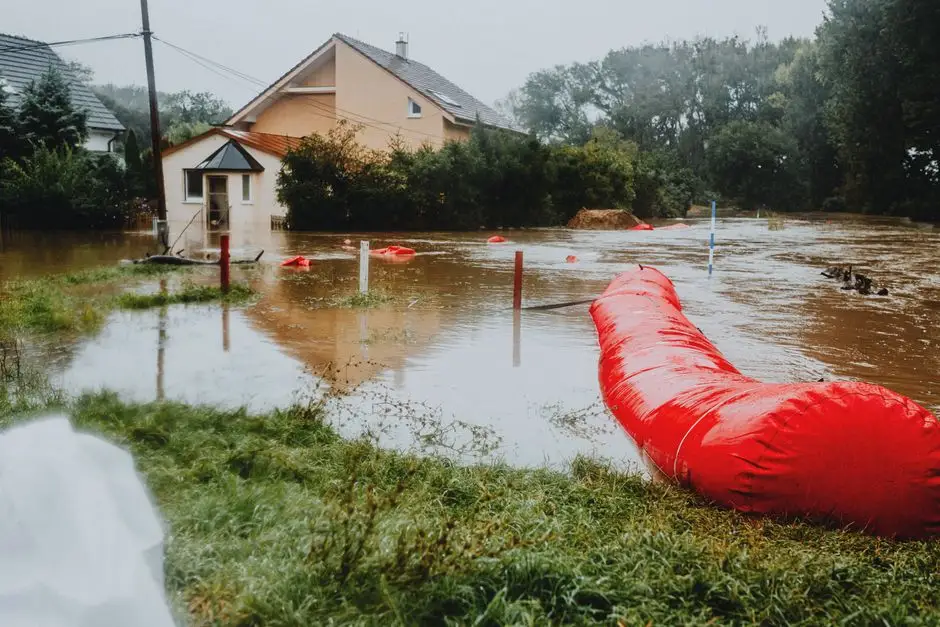
Your basement keeps flooding after heavy rain because stormwater is collecting faster than your lot, foundation drains, sump system, or sewer connection can carry it away. The repeat pattern usually means a drainage defect, a foundation opening, or failing pump-not simply a wet-weather fluke.
In Virginia, intense downpours, saturated clay-heavy soil in some areas, and aging foundation systems can expose weaknesses quickly. We'll explain how to identify the likely route, what you can safely do now, and when professional extraction and drying protect the structure. Basement flooding after heavy rain is water intrusion that recurs during or shortly after storms and calls for finding both the water source and the route it takes.
We help homeowners across Virginia remove water and investigate the conditions that leave a basement wet again after the next storm. For broad Water Extraction in Virginia, the priority is to stop active damage, then measure what remains damp below the visible surface.
Why does my basement keep flooding after heavy rain?
Repeated basement flooding in Virginia usually happens because roof and yard runoff concentrates beside the foundation, groundwater rises, or a sump and drain system cannot keep pace with rainfall.
Rain does not need to enter as a visible stream. Water pressure in saturated soil pushes moisture through hairline cracks, the wall-floor joint, utility penetrations, or porous masonry. A basement that floods only after several hours of rain often points to groundwater pressure or an overwhelmed drainage system; water appearing soon after a brief downpour more often suggests roof runoff, grading, or a blocked inlet.
Look for a pattern rather than guessing. Water at one corner often tracks to a downspout or low spot outside. A damp line along the whole wall-floor seam suggests broader groundwater pressure. Water rising through a floor drain raises a different concern: a sewer or municipal drainage backup.
The most common causes of repeated basement flooding
Repeated basement flooding causes in Virginia most often include poor surface drainage, clogged or damaged foundation drains, sump-pump failure, sewer backup, and cracks or gaps that admit groundwater.
Start with what happens outside. Gutters overflowing at the eaves dump hundreds of gallons close to the house during a strong storm. Downspouts that end beside the foundation add to the problem, especially where soil slopes toward the wall or a paved path channels runoff back to the house.
Surface water and roof runoff
Check whether soil falls away from the foundation for the first 6 to 10 feet. A low area, sunken window well, or short downspout extension can direct stormwater toward a basement opening. Clean gutters at least twice a year and after heavy leaf drop; a blocked gutter can spill over even when the roof drains normally.
Window wells need clear drains and covers that do not trap water. If the well fills during rain, water can pass the window seal or force the sash inward. Never treat a bead of caulk as a fix for a window well that collects several inches of runoff.
Foundation drains and sump equipment
Perimeter drains move groundwater toward a sump basin or a safe discharge point. Sediment, roots, crushed pipe, or a high groundwater level can reduce their capacity. A sump pump that hums but does not move water could have a jammed float, failed check valve, blocked discharge line, or exhausted motor.
Test the pump by slowly pouring water into the basin until the float rises. The pump should start, discharge water away from the foundation, and stop once the basin level drops. If you have a backup battery, check its charge and test it according to the manufacturer's instructions; a power outage often comes with the storm that puts the pump under pressure.
Foundation openings and sewer backup
Cracks, cold joints, and gaps around pipes create entry points, but sealing the visible spot alone may not solve the pressure behind the wall. A floor drain that bubbles or releases foul-smelling water can signal a sewer backup rather than ordinary rain seepage. Avoid contact and keep people and pets out until the water's source is identified.
Coastal and low-lying neighborhoods can face a mix of intense rainfall, high groundwater, and drainage limitations. Homeowners dealing with Water Extraction in Norfolk may see the same exterior runoff and foundation concerns, with local site conditions determining how water behaves around a particular home.
How to trace the water to its entry point
Tracing rainwater entering a Virginia basement starts with the water's location, timing, appearance, and relationship to outdoor drainage-not with sealing every crack you can see.
Make a simple record during the next storm if it is safe: note when water first appears, how quickly the level rises, which wall or drain is wet, and whether the sump is running. Photos taken from the same spots help compare one storm with another and show whether the wet area is expanding.
- Water under a window: inspect the well, cover, drain, and surrounding grade.
- A wet wall-floor joint: look for groundwater pressure, a blocked perimeter drain, or a sump issue.
- Water near a plumbing fixture: check for a leak, appliance discharge, or a backed-up drain.
- Water across a broad floor area: consider rising groundwater or a system overwhelmed by runoff.
Walk the exterior only after lightning, standing floodwater, and unstable ground are no longer hazards. Confirm gutters are clear, downspouts carry water away, and the discharge pipe is not broken or frozen. Do not enter a flooded basement to inspect a pump if water may have reached outlets, appliances, or the electrical panel.
For recurring water in a basement or crawl space, our team focuses on extraction and drying while you arrange the longer-term drainage or foundation repair. Basement and Crawl Space Water Removal in Virginia addresses the pooled water and moisture trapped in floor coverings, framing, and other porous materials.
What to do during and after a basement flood
After basement flooding in Virginia, protect people first, stop a known water source only if safe, and arrange water removal promptly so moisture does not continue spreading through building materials.
If water is near electrical outlets, a furnace, or the breaker panel, stay out. Do not touch electrical equipment while standing in water. Have power shut off from a dry, safe location by a qualified person; never wade in to reach a switch.
Once the area is safe, move dry belongings out of the affected zone and lift small items off wet flooring. Keep a written list and take photos before disposal when you need records for insurance. Do not use a household vacuum to pick up floodwater unless it is specifically designed for wet extraction and the electrical conditions are safe.
Water removal should begin as soon as practical, ideally within 24 hours, because wet drywall, carpet padding, and stored cardboard absorb moisture quickly. That is not a reason to take electrical or contamination risks. We use extraction equipment, moisture readings, and air movement to assess dampness beyond what a towel or mop can reach; drying can take several days depending on material, temperature, and how long water sat.
For a storm-related basement event, Flood Water Removal in Virginia can remove pooled water before the remaining moisture is addressed. If the water has sewage, fuel, or other contamination, keep people away and use the appropriate contaminated-water cleanup process rather than treating it as clean rainwater.
Common mistakes that make the next flood worse
Common basement water seepage and drainage problems get worse when homeowners hide the symptom without correcting the route water takes toward the house.
Painting a waterproof coating over a damp wall may conceal staining while pressure continues behind the masonry. Filling a crack can also fail if a blocked drain or poor grading keeps water pushing against that wall. Identify the pattern and outside conditions before choosing a repair.
- Do not extend downspouts only a few inches; discharge water several feet away and toward a safe drainage area.
- Do not pump a basement aggressively while floodwater remains high outside; sudden pressure changes can stress foundation walls.
- Do not run fans or a furnace across water that may be contaminated or near energized equipment.
- Do not assume the basement is dry because the carpet surface feels dry; padding, wall cavities, and framing can retain moisture.
Also avoid sending sump discharge toward a neighbor's property, public sidewalk, or a spot where it flows straight back to your foundation. Check local drainage requirements before changing a buried discharge line or connecting to a storm system.
When to call a professional for basement water removal
Call a Virginia water-removal professional when water is more than a small, clean spill, returns after each storm, affects finished materials, or creates electrical or contamination concerns.
Call promptly if water is rising, a sump pump has failed, a floor drain is backing up, or carpet and drywall have been wet for hours. A professional can extract standing water, check moisture in materials that look dry, and set drying equipment based on readings rather than guesswork. We also help distinguish an active water-loss cleanup from the separate drainage or foundation repair needed to prevent recurrence.
Water damage restoration and extraction are not the same as correcting a grading defect or replacing a broken foundation drain. We can document wet materials and complete the cleanup; you may need a drainage contractor, plumber, or foundation specialist to repair the cause. For homeowners in central Virginia with storm-related water intrusion, Water Extraction in Richmond reflects the kind of response needed when rainwater reaches finished basement materials or stored belongings.
Virginia Water Extraction Pros can help you understand the source, remove water, and dry affected areas. Tell us when the water appeared, where it entered, and whether it may have contacted a drain or chemical; those details help us prepare for the right cleanup.
Frequently Asked Questions
Why does my basement keep flooding after heavy rain?
Your basement keeps flooding because runoff, rising groundwater, or a failed drainage component repeatedly directs water to the foundation. Check the wettest wall, downspouts, grading, sump operation, and floor drains. If the same area gets wet every storm, document the timing and address the water route, not just the stain or crack.
Can poor drainage cause repeated basement flooding?
Yes. Poor grading, clogged gutters, short downspouts, blocked perimeter drains, and sump discharge that returns to the house can all cause recurring floods. A 6-to-10-foot inspection strip around the foundation often reveals low areas or concentrated runoff, but buried drain problems need a qualified inspection.
How quickly should basement floodwater be removed?
Start safe water removal as soon as possible, ideally within 24 hours, to limit absorption and microbial growth. First confirm there is no electrical hazard and identify whether water is contaminated. Drying commonly takes several days, and hidden moisture in padding or wall cavities needs measurement rather than a surface check.
When should I call a professional for basement water removal?
Call promptly when water covers a broad area, rises, returns after storms, reaches finished materials, or may involve sewage or electricity. Professional extraction is also appropriate if carpet, drywall, or insulation has been wet for hours. Stay out of unsafe water and do not operate equipment in a flooded space.
How can I stop rainwater from entering a basement?
Keep gutters clear, route downspouts several feet from the foundation, correct soil that slopes toward the house, and keep window-well drains open. Test the sump and backup power before the next storm. These steps reduce common entry routes, but persistent seepage may require drain, foundation, or site-drainage repairs.
Get help with Water Extraction in Virginia
Repeated flooding deserves a source check as well as cleanup. Call Virginia Water Extraction Pros at +18668968166 for help removing basement water and drying affected materials.