
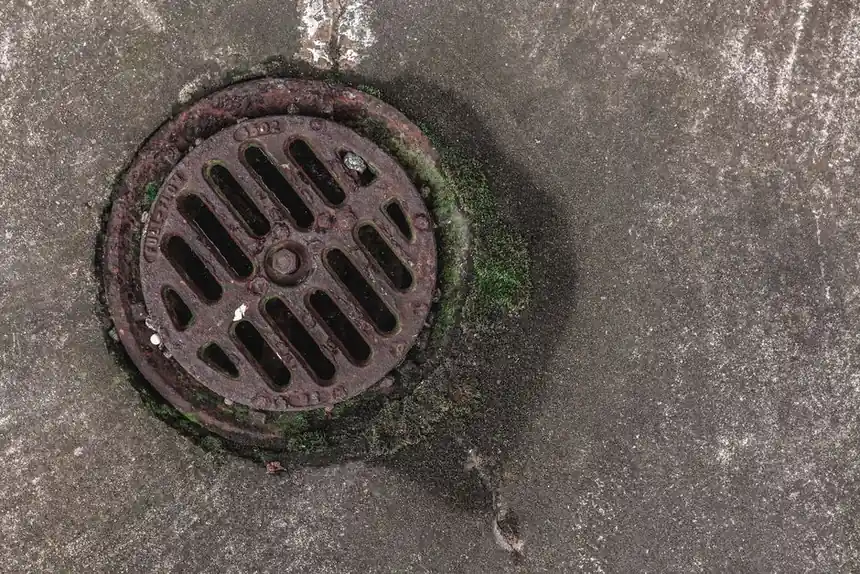
A sewer backup in a Virginia Beach home usually comes from a blocked or damaged sewer line, too much stormwater entering an overloaded system, or a failure in the home's own drain piping. Heavy rain, tree roots, grease buildup, and aging or broken pipes are common triggers, and wastewater often appears at the lowest drain first. Sewer backup causes in Virginia Beach homes are the combination of those plumbing problems and coastal conditions that can push water into drains. This guide explains how to spot the source, what to do safely, and when to bring in help for contaminated water cleanup.
A sewer backup is contaminated wastewater forced backward through a home's drainage system when flow is blocked or overwhelmed. It is not the same as a clean-water pipe leak: sewage can carry bacteria, viruses, and other contaminants into floors, walls, and belongings.
What causes a sewer backup in Virginia Beach homes?
The common causes of home sewer backups in Virginia Beach are clogged private sewer laterals, tree-root intrusion, pipe damage, and heavy rain that overloads drainage systems. A blockage stops wastewater from leaving the property, so pressure sends it back through a toilet, tub, floor drain, or other low opening.
Start by noticing where and when the wastewater appears. If one sink drains slowly but toilets and other fixtures work normally, the obstruction may be local to that fixture. If several fixtures gurgle, drain slowly, or back up together, the problem is more likely in a shared branch or the main sewer line.
Common triggers include:
- Grease, wipes, and debris: Cooking fat cools and sticks to pipe walls; wipes marketed as flushable can snag and collect other waste.
- Tree roots: Roots exploit joints or small cracks, then grow into the pipe and catch paper and solids.
- Broken, sagging, or corroded pipe: A low section can collect solids, while a crack can admit soil or groundwater.
- Stormwater overload: Intense rainfall and high groundwater can strain public or private drainage systems.
Our Water Extraction in Virginia work includes removing water and limiting damage to affected building materials. A plumber or sewer utility should identify and correct the cause; cleanup alone will not clear a blocked line.
Why does sewage come up through a basement drain?
Sewage comes up through a basement drain when wastewater cannot move through the sewer line and pressure pushes it toward the lowest opening in the home. A floor drain is often lower than toilets and sinks, so it can become the first visible outlet.
A backup that starts during laundry, a shower, or several toilet flushes often points to a restriction in the building drain or private lateral. If the floor drain bubbles when a toilet flushes, stop using water until the line is inspected. Continued use adds wastewater to a system that is already struggling to drain.
Look for clues without lifting a drain cover or entering standing water. A sewage odor, dark or cloudy water, toilet bubbles, and wetness around multiple fixtures all indicate a possible sanitary backup. Note which fixtures were in use and whether the problem began during rainfall; those details help a plumber narrow down the cause.
How Virginia Beach rain and coastal conditions raise backup risk
Heavy rain can cause a sewer backup in Virginia Beach when runoff or groundwater overwhelms drainage capacity, enters a compromised line, or coincides with a blockage. Rain does not create every backup, but it can expose an existing weakness and drive water toward low-lying drains.
Virginia Beach's coastal setting brings periods of intense rain, elevated groundwater, and localized flooding. Older pipes, low-elevation properties, and homes with basement or crawl-space drains can face added exposure. Across the city, Water Extraction in Virginia Beach often involves tracing water that has entered at a low point, although a sewer backup must be treated as contaminated until its source is confirmed.
Some homes have a combined or interconnected drainage arrangement, while others have separate sanitary and stormwater systems. Your exact setup depends on the property and municipal infrastructure, so do not assume a storm-related backup is simply rainwater. If sewage is present, keep people and pets away and treat the area as contaminated.
Winter rain and nor'easters can bring prolonged wet conditions; spring and summer downpours can produce fast runoff. Keep a record of repeated incidents, especially if backups follow heavy rain or high tides. A plumber can inspect the private lateral, and the local utility can advise whether a public sewer issue has been reported.
How to respond to a sewer backup after heavy rain
After a sewer backup in a Virginia Beach home, stop using water, keep people out of the affected area, and arrange an inspection and sewage cleanup. If wastewater is near outlets, appliances, or a breaker panel, do not step into it; leave the area and contact the appropriate emergency or electrical professional.
Take these steps while help is on the way:
- Stop flushing toilets, running taps, washing clothes, and using dishwashers. Reducing water use prevents more flow from reaching the blocked line.
- Keep children and pets away. Avoid direct contact, and do not walk through sewage to retrieve belongings.
- If you can reach the electrical panel without entering a wet area, switch off power to affected rooms. Otherwise, leave power alone and call an electrician or emergency services.
- Photograph the damage from a safe location, then contact a plumber or sewer utility to locate the blockage and a qualified cleanup team to remove contaminated water.
Our team handles Sewer Backup and Contaminated Water Cleanup in Virginia by extracting standing wastewater, removing unsalvageable contaminated materials, and drying affected areas with commercial equipment. The source still needs repair or clearance before the plumbing is put back into normal use.
Common mistakes that make sewage damage worse
Homeowners make sewer backup damage worse when they treat sewage like ordinary clean water, keep using plumbing, or attempt cleanup without protective equipment. Contaminated water can spread beyond the visible puddle through porous flooring, drywall, rugs, and belongings.
Avoid these frequent mistakes:
- Do not use a household wet vacuum or mop to collect sewage; contaminated equipment can spread pathogens.
- Do not mix bleach with other cleaners. Chemical reactions can release dangerous fumes, and surface spraying does not remove contamination from porous materials.
- Do not run fans that blow across sewage or contaminated debris, as airflow can spread droplets and particles.
- Do not assume a dry surface means the subfloor or wall cavity is dry. Hidden moisture can remain after visible water is gone.
Clean water and sewage require different handling. For a true sewage backup, porous items that absorbed wastewater often need removal, while hard, nonporous surfaces require appropriate cleaning and disinfection. The right decision depends on the material, how long it was wet, and how far contamination traveled.
When to call a professional for sewage cleanup
Call a professional for sewage cleanup in Virginia Beach as soon as wastewater enters living space, reaches porous materials, or affects more than a small, contained area. Any backup that returns after you stop using water also needs prompt plumbing diagnosis rather than repeated attempts to clear a drain.
There is no safe universal cleanup time: affected materials and hidden moisture determine the work. A trained water extraction crew can remove standing sewage, separate salvageable belongings from contaminated materials, and dry the structure. We use moisture checks to find water beyond the visible area, then coordinate the cleanup sequence with the plumbing repair so the source is addressed before rebuilding.
For persistent backups, ask a plumber to inspect the sewer lateral with a camera and check for roots, cracks, offsets, or a sagging section. Keep records of the date, rainfall, affected drains, and any utility or plumbing findings. That history can reveal a recurring blockage pattern and help prevent another overflow.
Virginia Water Extraction Pros can help when contaminated water has reached your floors or lower walls. We focus on extraction and drying, while working alongside plumbing professionals who clear or repair the line.
Frequently Asked Questions
What causes a sewer backup in Virginia Beach homes?
The leading causes are clogged private sewer lines, tree roots, damaged or sagging pipes, and heavy rain that overwhelms drainage. If several fixtures back up at once, stop using water and arrange a sewer-line inspection.
Can heavy rain cause a sewer backup?
Yes. A heavy downpour can overload drainage or raise groundwater enough to expose weak joints and existing blockages. If sewage appears after rain, avoid the affected area and report any possible public sewer issue to the utility while arranging a plumbing inspection.
Is water from a sewer backup dangerous to clean?
Yes. Sewer water can contain pathogens and should not be handled like a clean-water leak. Keep people and pets away, avoid wet vacuums and fans, and use a trained cleanup team when sewage has reached floors, walls, or belongings.
Who handles sewage backup cleanup in Virginia Beach?
A plumber or sewer utility diagnoses and clears the line; a water extraction and restoration team removes contaminated water and addresses affected materials. Virginia Water Extraction Pros handles extraction and drying, while the plumbing source must be repaired or cleared.
Get help with Water Extraction in Virginia Beach
If sewage has entered your home, stop using drains and keep everyone away from the affected area. Call Virginia Water Extraction Pros at +1 (866) 896-8166 for help with water extraction and contaminated-water cleanup.