
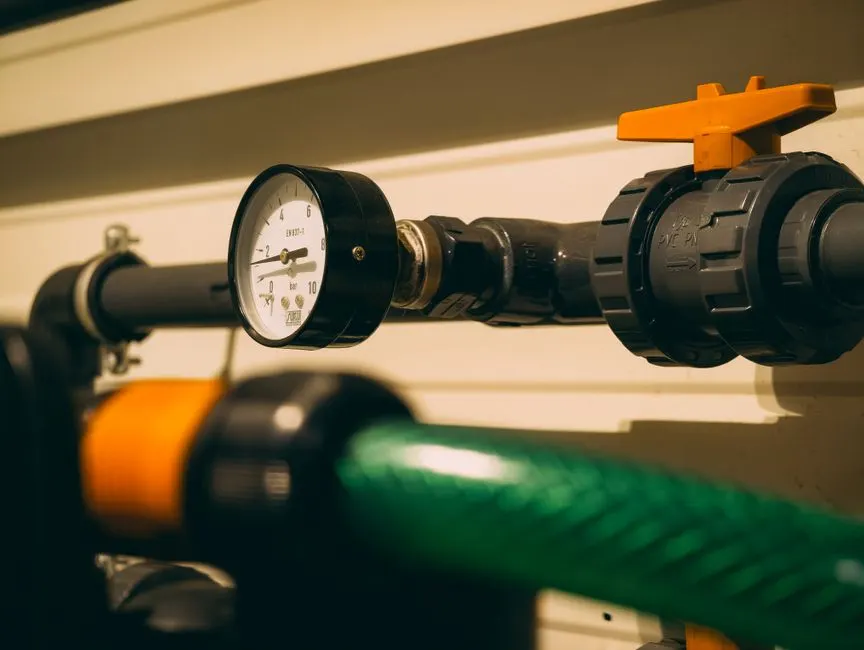
To shut off water before emergency water extraction, close the nearest fixture valve if the leak is isolated; if water is coming from a pipe or the source is unclear, close your home's main shutoff valve. Then keep clear of wet electrical areas and call for extraction before water reaches more flooring, walls, or belongings. The steps below explain where to look, how to operate common valves, and what to do while help is on the way in Virginia.
How to shut off water before emergency water extraction is a practical emergency water-control procedure that stops or limits fresh water entering a damaged area before cleanup begins. It does not remove water already in flooring or walls; that requires extraction and drying. At Virginia Water Extraction Pros, we help homeowners move from source control to water removal without taking unsafe risks.
How do you shut off water before emergency water extraction?
Homeowners in Virginia should close the local fixture valve first when the leak is clearly limited to one appliance, then shut off the main supply if the leak continues or its source is uncertain.
Act in this order. A few seconds spent choosing the correct valve can prevent a small leak from becoming a room-wide cleanup.
- Keep people away from the water. Do not step into standing water if a cord, outlet, appliance, or electrical panel is wet or nearby.
- Identify the source from a dry, safe position. A supply hose under a sink or behind a toilet often has a small valve at the wall. A split pipe inside a wall or ceiling usually calls for the main shutoff.
- Turn the valve clockwise. For a round handle, turn it right until it stops without forcing it. For a lever handle, rotate it one quarter turn so it sits across the pipe.
- Check whether flow has stopped. A faucet may run briefly as pressure drains. If water continues to enter the room, close the main valve or leave the area and call for help.
- Call for water removal. Once the supply is controlled, arrange professional extraction. The water still in carpet, subfloor, insulation, or wall cavities can continue causing damage.
For a whole-home supply valve, turn it slowly and stop if the handle is seized, cracked, or leaking around its stem. Never use a wrench to force a valve that will not move; a broken shutoff can make the flooding worse. Our Water Extraction in Virginia team can help coordinate the next step after you have made the area safe.
Where is the main water shutoff valve usually located?
The main water shutoff valve in a Virginia house is usually near the point where the water service enters the building, often in a basement, crawl space, utility room, garage, or exterior meter box.
Start by checking the basement wall facing the street, near the water meter or where a pipe comes through the foundation. In homes without basements, look in a utility closet, garage, crawl-space access area, or near the water heater. A meter box outside may contain the service shutoff, but the utility-owned curb stop often requires a special tool and should not be operated by an untrained homeowner.
Valve layouts vary by age and construction. In a townhouse or condominium, the shutoff may be in a shared mechanical room or behind an access panel, and building management may control it. If you cannot find a safe, clearly identified valve within a minute or two, call the water utility, property manager, or an emergency plumber rather than searching through a flooded space.
Once the immediate problem is controlled, note the valve's location and label it. Test it only when there is no active emergency: close it gently, confirm the water stops at a faucet, then reopen it fully. A stiff or corroded valve deserves attention before the next leak, not during one.
What to do after turning off water from a burst pipe
After turning off water from a burst pipe in Virginia, protect people, document the damage, and arrange extraction and drying as soon as the immediate hazard is controlled.
Open a cold-water faucet at the lowest level of the home to release pressure in the plumbing, provided the faucet and route are dry and safe. If the leak came from a hot-water line, keep clear of escaping steam or hot water; do not touch the pipe. For an active leak at a water heater, shut off its cold-water supply only if the valve is accessible without entering water, then leave gas or electrical controls to a qualified professional.
Move dry, valuable items away from the wet area. Do not carry heavy furniture through standing water, and do not pull up carpet or cut drywall unless a qualified crew has assessed the risk. Take photos from a safe location before moving belongings; a few wide shots and close-ups help document where water traveled.
Water can travel beneath flooring and behind baseboards even when the visible puddle looks small. If a burst pipe soaked a room, our Burst Pipe and Plumbing Leak Water Extraction in Virginia service addresses extraction and structural drying after the plumbing source is stopped. A plumber repairs the failed line; an extraction crew removes moisture from affected materials.
Water removal after stopping a plumbing leak is time-sensitive. In many homes, standing water should be extracted within hours, and damp materials need prompt measurement and drying. Indoor relative humidity above 60% slows drying and can support mold growth; keeping the affected room ventilated is useful only when outdoor air is drier and the electrical system is safe.
Electrical and personal safety before flood cleanup
Virginia homeowners should avoid wet rooms with energized outlets, appliances, extension cords, or electrical panels; shut power off only from a dry, safe location.
If water is near an outlet or has reached a basement panel, do not wade in to reach a breaker. Call 911 if someone is in immediate danger, and contact the electric utility or a licensed electrician for a safe disconnection. A breaker should be switched off only if you can reach the panel without touching water or wet surfaces.
Do not use a household vacuum, shop vacuum, fan, or dehumidifier in standing water unless the equipment is specifically rated for that use and connected safely. Standard electrical equipment and wet floors are a dangerous combination. Keep children and pets out, wear shoes with dry soles, and avoid contact with water that may contain sewage, fuel, or chemicals.
Virginia's humid summers and damp fall weather can slow drying, while cold November nights increase the chance of frozen pipes in exposed crawl spaces and garages. During winter, keep heat on in the home if it is safe and practical, but do not use open flames or portable heaters near wet materials. In coastal communities such as Norfolk, storm-driven water may also carry contaminants; treat floodwater as unsafe until its source is known.
If you need local help after a leak in the region, our crew serves homes around Water Extraction in Richmond, where older properties and finished basements can make hidden water migration harder to spot. The same basic rule applies throughout Virginia: stop the source only if you can do so safely, then address the water already inside the building.
Common mistakes during an emergency leak
Common emergency water-shutoff mistakes in Virginia include forcing a stuck valve, entering water near electricity, and assuming a dry-looking surface means the leak is fully contained.
Do not close a valve with pliers or a pipe wrench if it resists. Older gate valves can fail internally, and force can snap the stem or damage connected piping. If the handle turns but water continues flowing, the valve may not seal; use another accessible shutoff only if you can reach it safely and call a plumber.
Do not keep running a fixture to "test" the plumbing while a leak is active. Once you have closed the suspected valve, observe from a safe place and listen for continued flow. A water meter with its fixtures off can offer a clue: if the meter's leak indicator continues moving, water may still be escaping somewhere in the system.
- Do not touch a wet breaker panel or unplug a submerged appliance.
- Do not assume a ceiling stain is stable; sagging drywall can collapse under retained water.
- Do not delay extraction because the visible puddle is small; carpet padding and insulation hold moisture.
- Do not mix bleach with other cleaners or use it as a substitute for drying porous materials.
When water is coming through a ceiling, avoid standing beneath the bulge and do not puncture it yourself. Water may be pooled above the drywall, and the ceiling can fail suddenly. Keep the room clear until a professional can assess and safely manage the area.
When to call a professional in Virginia
Call an emergency plumber for an uncontrolled supply-line leak and an extraction company for standing water, soaked materials, or moisture that has spread beyond the visible spill.
A plumber handles the pipe, valve, appliance connection, or water heater that failed. An extraction crew focuses on removing water, checking how far it traveled, and drying affected materials. You may need both. If water is sewage, floodwater, or another potentially contaminated source, keep people out and request trained cleanup rather than attempting ordinary household cleanup.
Call promptly if water covers more than a few square feet, reaches carpet or wood flooring, enters a wall or ceiling, or remains after you have stopped the source. Drying can require commercial air movers and dehumidifiers; a small leak can still affect several layers of a floor assembly. Virginia Water Extraction Pros can help you determine the next step and begin safe water removal after the source is controlled.
For homeowners comparing emergency plumbing leak response with cleanup, remember that shutting off water prevents additional supply from entering but does not dry the structure. We inspect the affected area, extract accessible water, and set up drying equipment where appropriate. One sentence on cost: typical 2026 pricing for water extraction varies with the amount of water, affected materials, access, and equipment time, so the actual job price depends on the damage found.
Frequently Asked Questions
How do I shut off water before emergency water extraction?
Close the nearest fixture valve for a clearly isolated sink, toilet, or appliance leak; otherwise close the main shutoff valve. Turn a round handle clockwise or set a lever perpendicular to the pipe, then confirm flow stops. Stay out of water near electricity, and arrange extraction once the supply is controlled.
Where is the main water shutoff valve usually located?
Most homes have a main valve near the service pipe entry, often in a basement, utility room, garage, crawl space, or meter box. Check the street-facing foundation wall first. In a condo or townhouse, contact building management if the valve is in a shared area or cannot be safely reached.
Should I turn off electricity if water is near outlets?
Yes, but only from a dry, safe location. Never wade through water to reach an outlet or breaker panel. If water has reached the panel or you cannot disconnect power without entering a wet area, leave the space and call the electric utility or a licensed electrician.
Who should I call after shutting off a burst pipe in Virginia?
Call an emergency plumber to repair the pipe and a water extraction company to remove water and dry affected materials. If the water is contaminated, keep everyone out and request trained cleanup. If electricity or structural safety is in doubt, contact the utility or emergency services before entering.
How long can I wait before water removal after stopping a plumbing leak?
Call as soon as possible; arrange extraction within hours when standing water is present. Moisture can spread under flooring and into wall cavities before it becomes visible. Prompt inspection and drying reduce the time wet materials remain in place, especially in humid Virginia weather.
Get help with Water Extraction in Virginia
Once the leak is controlled, Virginia Water Extraction Pros can remove standing water and help dry the affected areas. Call +1 866-896-8166 for help with emergency water extraction.