
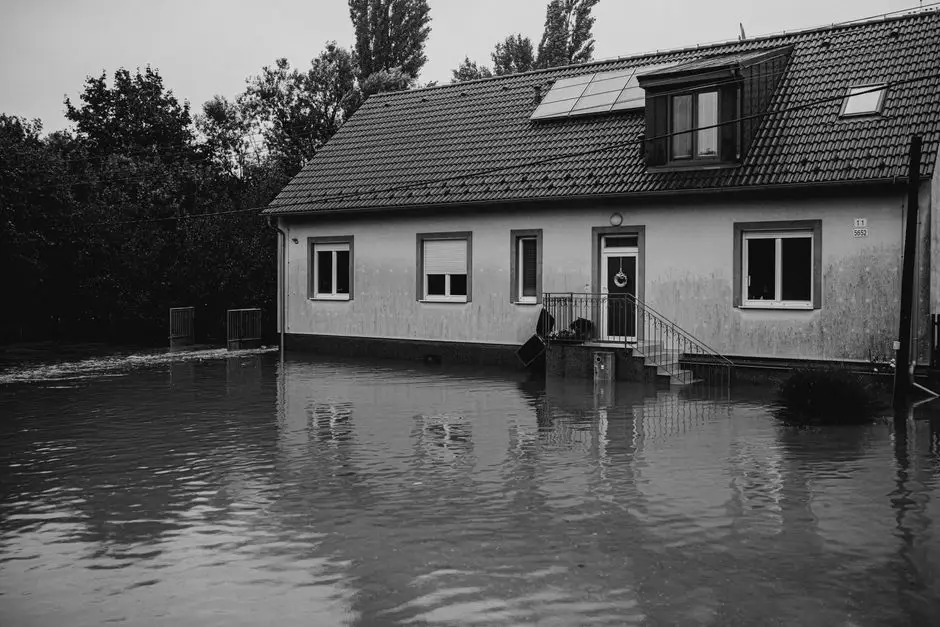
To remove standing water from a flooded basement safely, keep out until you have confirmed the power is off from a dry location and the water is not contaminated or structurally dangerous; then pump it out gradually and dry the materials that got wet. If you cannot confirm those conditions, do not enter-call a water extraction crew. We explain how to assess the hazards, choose a pump, limit pressure on basement walls, and prevent a wet floor from turning into a lingering mold and odor problem.
How to remove standing water from a flooded basement safely is a water-extraction process that removes floodwater while protecting people, electrical systems, and the building from avoidable harm. For Virginia homeowners, the right first move is not a pump. It is a safe assessment.
How to remove standing water from a flooded basement safely
Safe flooded basement water removal in Virginia starts with stopping the source, checking hazards without entering, and extracting water only when the space is safe to access. Work in that order; a few minutes spent assessing the room can prevent an electric shock or a sudden wall failure.
If a pipe is still leaking, close its shutoff valve only if you can reach it without stepping into water. For storm flooding, wait until outside water levels have fallen and the weather has passed. Our team handles Water Extraction in Virginia by first identifying the water source and deciding what equipment and safety controls the job needs.
Keep children and pets away, and do not use a household vacuum, a standard electric pump, or an extension cord in a wet basement. If the water is more than a few inches deep, covers electrical outlets, or has an unusual smell or visible sewage, stop and get help.
Is it safe to enter a basement with standing water?
A flooded basement is safe to enter only after electrical power is confirmed off, the structure appears stable, and the water is not contaminated; if any point is uncertain, stay out. Water can conceal energized cords, floor openings, sharp debris, and chemicals.
Do not walk down the stairs to reach a breaker panel in a wet basement. If the electrical panel is in the basement or the route to it is wet, call your utility or a qualified electrician to disconnect power from a dry, safe location. A breaker that appears off does not prove every circuit or nearby wire is safe.
Look for these warning signs from the doorway or another dry vantage point:
- Water near outlets, appliances, a furnace, or an electrical panel.
- Cracked or bulging walls, a shifting stair, or a sagging floor above.
- Sewage, fuel, solvents, or other chemical contamination.
- Water that is rising quickly or flowing through the room.
Use rubber boots and waterproof gloves only after a qualified person has cleared the electrical hazard. Protective gear is not a substitute for shutting off power or avoiding contaminated floodwater. If the flooding followed a sewer backup, keep out and arrange specialized cleanup rather than treating the water as ordinary rainwater.
Should electricity be shut off before basement water removal?
Yes-power to the flooded area must be shut off before entry or pumping, and the shutoff must be reachable without crossing water. An electrician or utility provider should handle it when the panel is wet, inaccessible, or uncertain.
Floodwater conducts electricity, and energized equipment can make the whole wet floor dangerous. Do not touch a submerged furnace, water heater, washer, freezer, or pump. Do not unplug appliances that are standing in water.
After power is disconnected, have an electrician inspect affected wiring and equipment before restoring service. Drying a circuit breaker or appliance on the outside does not establish that it is safe to energize; water can remain inside components.
How to pump water out without damaging the foundation
To pump water out of a basement without damaging the foundation, remove it in controlled stages rather than rapidly draining a deep, flooded room while the soil outside remains saturated. A large difference between interior and exterior water pressure can stress basement walls and floor slabs.
When water is deep-roughly 2 feet or more-or floodwater remains high outside, use a professional crew to assess the level difference and plan staged pumping. Follow local emergency instructions after a major storm. Water trapped in saturated soil exerts pressure against the foundation; fast interior pumping can increase the risk of cracking or movement.
For a shallow, clean-water leak in a cleared basement, a submersible pump rated for the depth and debris can remove the bulk water. Read its instructions, keep its electrical connections dry, and route discharge away from the home so it does not drain straight back toward the foundation. A wet/dry shop vacuum can handle the thin film left after pumping, but never use it until power and the equipment are safe.
Our Basement and Crawl Space Water Removal in Virginia service uses extraction equipment suited to the water depth and the affected materials. In coastal communities, heavy rain, high groundwater, and storm surge can compound basement flooding; homeowners looking for local help can find Water Extraction in Virginia Beach for that service area.
How quickly should standing basement water be extracted? Once the space is safe, begin removing water as soon as practical-ideally within 24 hours-because wet drywall, carpet, and stored belongings deteriorate with time. That is not a reason to enter a dangerous room. Safety comes first.
What to do after the water is out
After water extraction in a Virginia basement, remove wet contents, clean appropriate hard surfaces, and dry the room and hidden cavities promptly. Pumping removes bulk water; it does not remove moisture held in carpet backing, wall insulation, or floor framing.
Photograph damage before moving items if you are making an insurance claim. Separate wet belongings from dry ones, and discard porous materials soaked with sewage or other contaminated water. For clean water, remove carpet and pad if they cannot be dried thoroughly; trapped moisture beneath them can keep a concrete slab damp.
Use air movers and a dehumidifier after the electrical system has been cleared. Aim for indoor relative humidity below 60 percent, preferably around 30-50 percent during drying, and keep room temperature near 70-80°F when conditions allow. A basic humidity meter helps you track progress instead of guessing by touch.
Check corners, the base of drywall, closets, and the area behind stored boxes. Drywall that remains wet or swollen, insulation that has absorbed water, and wood that stays damp need further assessment. A moisture meter can help identify wet material that looks dry on the surface.
Floodwater extraction in Virginia often follows intense summer storms, but November and winter rain can also saturate soil and push water through foundation cracks. If a basement repeatedly gets wet after rainfall, note where water enters and when; that record helps distinguish a one-time pipe failure from a recurring drainage or groundwater issue.
Common mistakes during flooded basement cleanup
Common mistakes during flooded basement cleanup include entering before power is cleared, pumping too quickly, and treating every kind of water as clean. Each can expose your household to a larger problem than the original puddle.
Do not mix bleach with ammonia or other cleaners, and never assume a strong disinfectant can make porous, sewage-soaked items reusable. Follow product labels and ventilate the work area. Do not run a fuel-powered generator, pressure washer, or gas-powered pump indoors; carbon monoxide can build up quickly in an enclosed basement.
Also avoid these shortcuts:
- Running fans before electrical hazards have been checked.
- Discharging pump water beside the foundation or into a neighbor's yard.
- Closing the basement and assuming the concrete will dry on its own.
- Putting wet cardboard, rugs, or furniture back before the room is dry.
Document the affected rooms and contents, keep receipts for emergency work, and contact your insurer promptly. Your policy determines coverage; preserve photos and records rather than waiting for the drying process to finish.
When to call a professional
Call a professional basement water extraction company in Virginia when water is deep, contaminated, still rising, near electrical equipment, or affecting more than a small, easily dried area. A crew can remove water with high-capacity extraction equipment and set up drying that reaches beyond visible surfaces.
Professional basement floodwater removal is especially valuable when wall pressure is a concern, several rooms are affected, or wet carpet and drywall hide moisture. Our technicians assess the water source, remove standing water, and place air movers and dehumidifiers to dry the structure. We also help identify materials that need removal instead of simply covering the damage.
If water came from a broken supply line, a storm, or a sewer backup, tell us what happened and how long the basement has been wet. That information helps us select the right approach. Virginia Water Extraction Pros can help you move from a flooded room to a documented extraction and drying plan, with pricing explained before work begins.
Frequently Asked Questions
How do I remove standing water from a flooded basement safely?
Shut off power from a dry location, confirm the structure is stable, and identify whether the water is contaminated before entering. For a shallow, clean-water spill, use a suitable pump, discharge water away from the foundation, then vacuum the residue and dry the room. For deep or unsafe flooding, call a professional.
Is it safe to enter a basement with standing water?
Enter only after power is confirmed off, the stairs and walls appear stable, and the water is not sewage or chemically contaminated. If any hazard is unclear, stay out and call an electrician, utility provider, or water-removal crew. Never wade to a basement breaker panel.
Should electricity be shut off before basement water removal?
Yes. Disconnect power to the affected area before anyone enters or pumps, but only from a dry, safe location. If the panel is in the basement or its condition is uncertain, ask the utility or a qualified electrician to shut power off. Have affected equipment inspected before restoring service.
When should I hire a professional basement water extraction company?
Call a professional immediately for sewage, water near electrical equipment, rising water, or a deep flood-especially around 2 feet or more. Also call when water has soaked several rooms or materials cannot be dried within 24-48 hours. Professional extraction and measured drying reduce hidden moisture that household pumps leave behind.
Get help with Water Extraction in Virginia
If a flooded basement is unsafe or the water keeps returning, Virginia Water Extraction Pros can remove standing water and set up the drying your home needs. Call +1 (866) 896-8166 for help.